Last updated: October 1, 2026
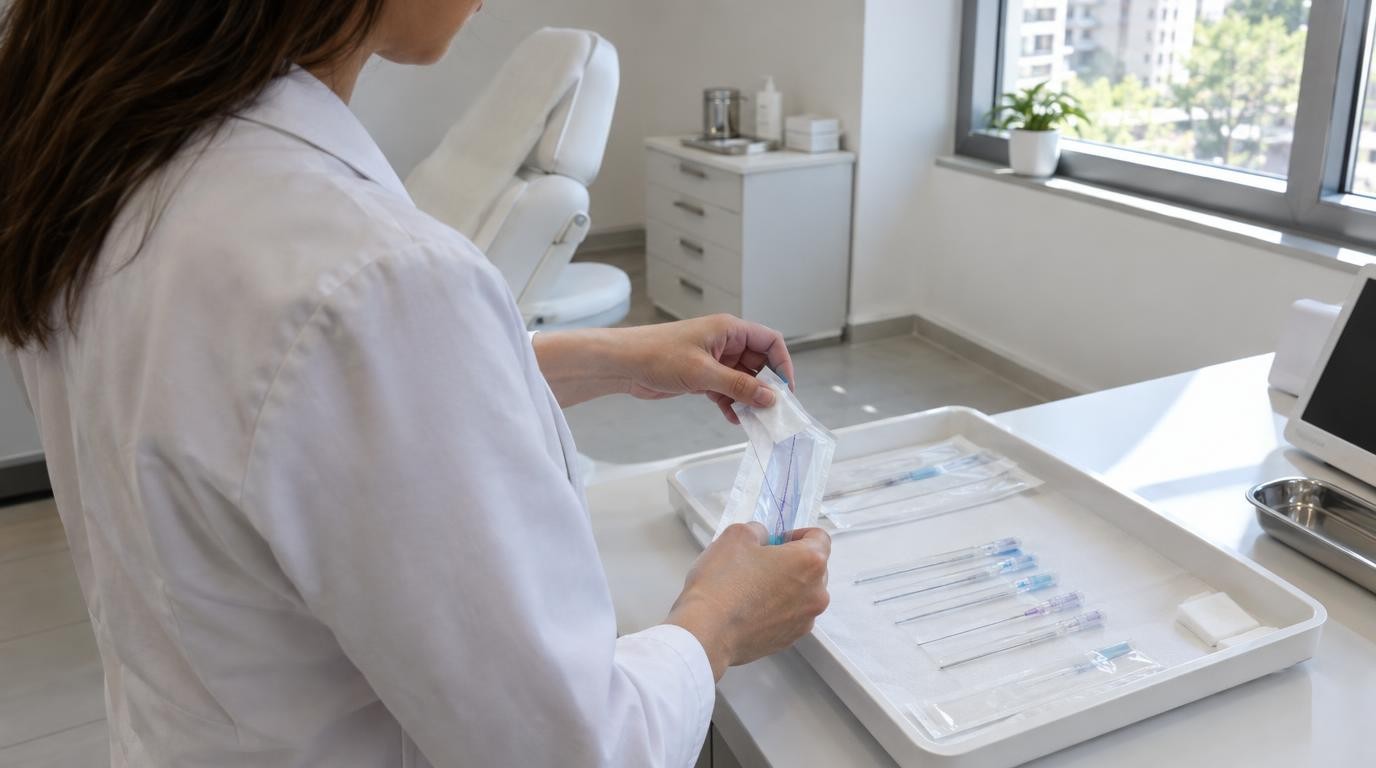
A jawline thread lift is a minimally invasive procedure that places temporary sutures beneath the skin to support lax tissue along the jaw. It may soften the appearance of mild jowling, but it cannot change jawbone structure or guarantee a sharply defined jawline. Skinsational Cosmetic Surgery Clinic offers thread lifts; you can read about a PDO thread lift procedure before discussing your options with our team.
What Is a Jawline Thread Lift?
A jawline thread lift uses medical-grade threads beneath the skin to lift and support tissue that has begun to sag around the lower face. The intended change is a subtle improvement in the contour of the jawline and jowls. Threads reposition soft tissue; they do not reshape bone or provide the degree of correction possible with surgery.
Patients who want a broader introduction can read our guide to PDO thread lifts.
How Does a Jawline Thread Lift Work?
A jawline thread lift works by placing threads beneath the skin to provide immediate mechanical support to lax tissue. The surrounding tissue can also respond to the threads as healing occurs, including through collagen production. A 2024 review of facial and neck thread lifting discusses how thread strength, anchoring and placement shape the lifting approach, not a guaranteed result for every patient.
What Do PDO Threads Do Beneath the Skin?
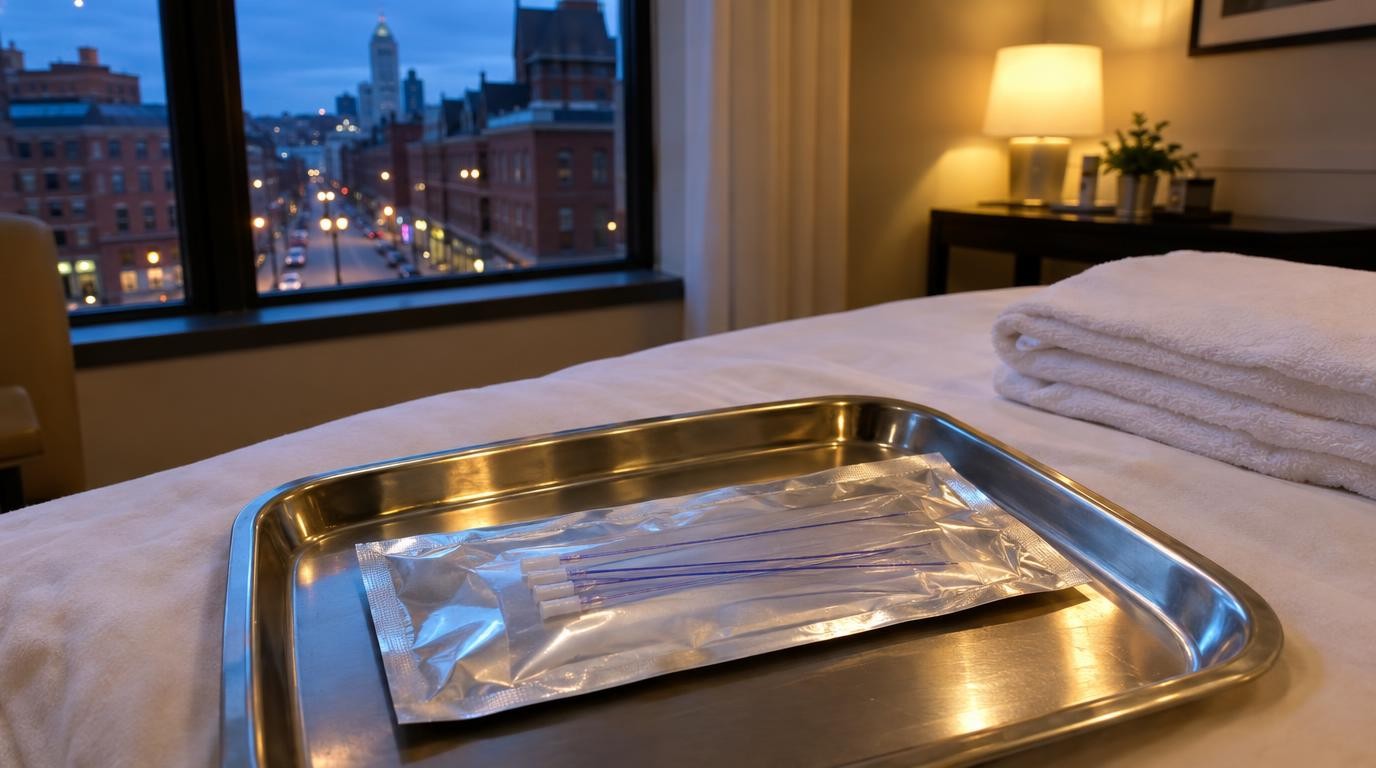
PDO, or polydioxanone, threads are absorbable sutures. Depending on the thread and placement approach, a clinician uses them to support tissue along a planned direction of lift. As absorbable threads dissolve, the tissue response may contribute to the appearance of support, although the amount of visible change varies.
The review describes distinct concepts involved in holding lifted tissue in place, including the strength of the thread and its anchoring within tissue. Those principles help explain why placement planning matters; they cannot predict how much improvement a particular jawline will show.
Who Is a Good Candidate for a Jawline Thread Lift?
A good candidate generally has mild to moderate laxity around the jawline or jowls and wants a modest change without surgical lifting. An in-person assessment helps determine whether skin quality, tissue position and personal goals fit that approach. More pronounced sagging, or a concern caused chiefly by facial structure, may call for a different plan.
Can a Thread Lift Help Loose Jowls or a Weak Jawline?
A thread lift may improve the appearance of loose jowls when descending soft tissue is the main concern. A weak jawline caused by underlying bone structure is different: lifting skin cannot change the shape of the jawbone. Likewise, sagging cheeks or neck sagging may need assessment beyond the jawline alone.
Limited research is encouraging, but it should not be treated as a promise. The following research snapshot illustrates that distinction:
| Research | What it found | What to keep in mind |
|---|---|---|
| An observational jawline pilot study involving eight participants | Measurements showed improvement after thread placement in participants with mild to moderate jawline tissue descent. | The study was small and used threads made from materials other than PDO, so its findings do not predict an individual PDO thread lift result. |
What Happens During a Jawline Thread Lift?
A jawline thread lift is generally an outpatient procedure that does not require surgical dissection.
The sequence typically follows these steps:
- Consultation: Discuss concerns, health history and whether thread lifting fits the desired outcome.
- Treatment planning: Identify the tissue to support and the direction of the intended lift.
- Thread placement: Numb the area as appropriate and position the selected threads beneath the skin.
- Aftercare: Review how to care for the treated area and when to follow up.
The thread type and placement approach should be confirmed during a personal consultation rather than assumed from a general description of the procedure.
What Is Recovery Like After a Jawline Thread Lift?
Thread lift recovery usually involves a short period of adjustment while the treated area settles. Swelling, bruising, tenderness or a feeling of tightness can occur after placement. The treating clinician should explain activity limits, skin-care guidance and when usual routines are appropriate, because recovery depends on the individual and the treatment performed.
Patients may be asked to avoid pressure or vigorous movement around the treated area while healing begins. Follow the instructions you receive rather than using someone else’s return-to-routine experience as a schedule. For more detail on planning everyday activities, see our thread lift recovery timeline.
How Long Does a Face Thread Lift Last?
A face thread lift is temporary, and its visible effect varies from person to person. Absorbable threads gradually dissolve, while tissue characteristics, placement technique and ongoing facial aging influence how the contour changes. A clinician can discuss a realistic range of outcomes after examining the area, but no fixed duration can be guaranteed.
When Will Jawline Thread Lift Results Be Visible?
Some lifting may be visible soon after placement because the threads provide immediate support. Early swelling and the natural settling of tissue can change how the jawline looks afterward. The initial appearance is therefore not necessarily the final one; follow-up gives the patient and clinician a better opportunity to assess the change. For more on how appearance can change as swelling settles, read about thread lift before and after results.
How Does a Jawline Thread Lift Compare With a Surgical Facelift?
A jawline thread lift is less invasive and generally aims for a subtler, temporary change than a surgical facelift. A facelift can provide greater correction when tissue laxity is more pronounced. The better choice depends on anatomy, desired improvement, recovery preferences and a clinician’s assessment, rather than a rule that suits everyone.
Why Do Plastic Surgeons Not Like Threads?
Plastic surgeons do not share one view of thread lifts. A clinician may favor a facelift when substantial tissue repositioning is needed, while considering threads reasonable for a patient seeking a smaller change. The useful question is whether the likely degree and durability of improvement match the patient’s expectations.
What Is the Downside of a Thread Lift?
The main trade-off is that a modest, temporary lift may not address significant sagging. Common short-term effects include swelling, bruising and tenderness. Other possible risks include uneven contour, dimpling, a visible or shifting thread, and infection. Discuss these possibilities with your own clinician, along with any health conditions or medicines that could affect healing. Treatment should be deferred when there is an active infection in the planned area until a clinician advises that it is appropriate to proceed. Our overview of thread lift safety research offers further context for that conversation.
How Can You Decide Whether a Jawline Thread Lift Fits Your Goals?
To decide whether a thread lift fits your goals, ask a qualified clinician what is causing your jawline concern and how much improvement a thread lift could realistically provide. A useful consultation also covers alternatives, recovery and personal suitability. Clear answers help distinguish a good match for mild jowling from goals that need a different approach.

Consider bringing these questions to your visit:
- Is my concern primarily sagging tissue, underlying jaw structure or both?
- What change would be realistic for my jawline, and what are the alternatives?
- What aftercare and follow-up would my treatment plan involve?
If you are coming from Lincoln, Rhode Island, and would like a personalized assessment in Providence, Rhode Island, contact Skinsational Cosmetic Surgery Clinic to arrange a consultation with our team. We can discuss your goals and whether a thread lift is an appropriate option for you.
Risks, Side Effects and Who Is Not a Candidate
No medical treatment is free of risk, and what is right for you depends on your own health history. Before going ahead, ask a licensed clinician at Skinsational Cosmetic Surgery Clinic which side effects are common with this treatment, which complications are possible, and which medical conditions, medicines, allergies or pregnancy plans would make it unsafe for you. If a prescription medicine, device or injectable is involved, ask whether it is approved for this use or used off-label, and ask to see its label and warnings. This article is general information and is not medical advice.
Frequently Asked Questions
How does a clinician decide where to place jawline threads?
A clinician plans thread placement around the tissue that needs support and the direction of the intended lift. During an assessment, they consider facial anatomy, skin laxity, and your goals. Thread strength and how the threads anchor in tissue also matter, but careful planning cannot guarantee a particular degree of jawline definition.
Are PDO jawline threads permanent?
No, PDO jawline threads are absorbable and gradually dissolve. The visible lift is temporary, although the tissue may respond to the threads as healing occurs. How long the contour change remains visible depends on factors such as tissue characteristics, placement, and ongoing aging. A clinician cannot guarantee a fixed duration.
When can I return to my normal routine after a jawline thread lift?
There is no single return-to-routine schedule for a jawline thread lift. Your clinician can advise you based on the threads placed and your recovery. You may need to avoid pressure or vigorous movement around the treated area while it settles. Follow your own aftercare instructions rather than someone else’s timeline.
Will my jawline look the same at follow-up as it does right after treatment?
Not necessarily. Threads can provide support as soon as they are placed, but early swelling and tissue settling may affect the initial appearance. A follow-up visit offers a better opportunity to assess the change once the area has had time to adjust. The amount of visible improvement varies by person.
How can I tell whether my jawline concern comes from sagging tissue or bone shape?
An in-person assessment can help identify whether descending soft tissue, underlying jaw structure, or both are affecting your jawline. Threads support lax tissue and may soften mild jowling, but they cannot reshape the jawbone. Knowing the cause helps you and your clinician set realistic goals or consider another approach.
What should I ask during a jawline thread lift consultation?
Ask what is causing your jawline concern, how much change is realistic, and whether another approach may suit you better. You can also ask which threads and placement plan the clinician recommends, what aftercare will involve, and when to follow up. Share your health history and goals so the advice reflects your situation.