
Last updated: September 7, 2026
Understanding thread lift safety research provides valuable evidence that helps patients make informed decisions when choosing a qualified provider for their thread lift procedure.
What Is a Thread Lift and How Does It Address Facial Thread Lift Safety Concerns?
A thread lift is a minimally invasive cosmetic procedure that uses absorbable surgical threads inserted beneath the skin to lift and reposition sagging facial tissue. These threads stimulate the body’s natural collagen production, providing gradual tissue tightening over several months. The treatment offers a targeted approach to facial aging without the extensive recovery associated with surgical alternatives. According to comprehensive research on PDO thread lift complications and safety profiles, understanding the procedure’s risk-benefit balance is essential for anyone considering this treatment option. For those seeking more detailed information about thread lift safety research, clinical studies are available through PubMed’s medical literature database.
Which Areas of the Face Can a Thread Lift Treat?
Thread lifts effectively address mild to moderate sagging in several facial zones. Common treatment areas include loose jowls along the jawline, marionette lines extending from the corners of the mouth, nasolabial folds running from the nose to mouth, and drooping cheeks that have lost youthful definition. The procedure can also target neck sagging and mild brow drooping, helping patients achieve a more refreshed appearance across multiple concern areas. For patients concerned about jowls, our jawline thread lift guide explains how the procedure works and who may benefit.
How Does a Thread Lift Differ from a Surgical Facelift?
Unlike a surgical facelift that requires anesthesia, significant tissue manipulation, and weeks of recovery, a thread lift involves minimal downtime with threads that naturally dissolve over 6 to 12 months. The procedure is performed in an office setting using local anesthesia, allowing patients to return to normal activities within days rather than weeks. Results appear gradually as collagen builds around the threads, creating a natural-looking lift that develops over time.
What Does the Clinical Research Say About Thread Lift Safety?
The comprehensive review found that common complications included bruising, pain, swelling, bleeding, and dimpling, with most issues arising from improper technique or anatomical factors. Understanding these findings helps patients recognize why provider selection matters significantly for achieving safe, satisfactory results.
What Complications Can Occur with Thread Lifts?
The research documented that minor complications such as bruising and swelling occur in a significant portion of patients, though these typically resolve within days to weeks. Skin dimpling and asymmetry may develop when threads are placed at incorrect depths or angles. More uncommon complications including infection, thread migration, and nerve sensitivity were identified, though these severe outcomes represent a small percentage of cases overall.
How Do Provider Technique and Experience Affect Thread Lift Safety?
The study highlighted that practitioner expertise directly correlates with complication rates, with improper technique identified as a primary factor in adverse outcomes. Experienced providers who understand facial anatomy and thread placement achieve better results with fewer complications. Ultrasound-guided thread lift techniques demonstrated efficacy in reducing risks, particularly for preventing glandular and vascular injuries in sensitive areas.
How Does Facial Anatomy Influence Thread Lift Results?
Individual facial anatomy plays a crucial role in determining thread lift outcomes and safety. Factors including skin thickness, tissue laxity, bone structure, and underlying fat distribution vary significantly between patients and must be assessed during consultation. A thorough understanding of these anatomical variations allows qualified providers to customize thread placement and technique for each patient’s unique facial structure.
Why Does Skin Thickness Matter for Thread Lift Outcomes?
Patients with thicker skin often achieve more pronounced lifting results because denser tissue provides better support for thread anchors. Thinner skin may be more prone to visible thread placement or dimpling, requiring careful technique adjustment by the provider. During consultation, practitioners evaluate skin quality to determine optimal thread types, placement depth, and expected outcomes for each individual.
How Do Individual Factors Affect Thread Lift Planning?
Several personal factors influence thread lift planning and results. Age-related tissue changes, previous cosmetic procedures, smoking history, and overall skin condition all affect treatment approach. Patients with significant skin laxity may require combination treatments or alternative procedures to achieve their desired outcome. Qualified providers assess these factors during consultation to establish realistic expectations and appropriate treatment protocols.
What Should You Look for in a Thread Lift Provider?
Selecting a qualified thread lift provider represents the most important decision patients make when considering this procedure. Patients should prioritize providers with demonstrated expertise in facial anatomy, specific thread lift training, and a track record of successful procedures.

Why Is Board Certification Important for Thread Lift Procedures?
Board certification indicates that a practitioner has completed specialized training and met rigorous standards in cosmetic and plastic surgery procedures. Board-certified providers possess comprehensive understanding of facial anatomy and complications management that directly affects patient safety. For thread lift procedures specifically, certification means the practitioner has training in both surgical techniques and the specific skills required for thread placement.
What Questions Should You Ask During a Thread Lift Consultation?
Effective consultations involve asking about the provider’s specific thread lift experience, including how many procedures they have performed and their complication rates. Patients should inquire about the types of threads used, expected outcomes, recovery process, and what happens if complications arise. Understanding the provider’s approach to managing adverse outcomes demonstrates their commitment to patient safety and informed consent.
How Can You Prepare for a Thread Lift Consultation?
Preparing thoroughly for a thread lift consultation helps patients gather essential information and establish realistic expectations. Bringing relevant medical history, current medications, and previous cosmetic procedure records enables the provider to assess candidacy accurately. Patients should also prepare questions in advance to ensure they cover all concerns during the appointment.
What Information Should You Bring to Your Thread Lift Appointment?
Essential documents include complete medical history, list of current medications and supplements, and records of previous cosmetic procedures. Patients should note any allergies, bleeding disorders, or autoimmune conditions that might affect treatment. Bringing reference photos of desired outcomes helps communicate goals effectively to the provider during consultation.
What Questions Help You Assess a Provider’s Thread Lift Experience?
Key questions include asking about the provider’s specific training in thread lift procedures, the number of treatments performed annually, and how they handle complications if they occur. Patients should also inquire about the specific thread brands used, whether ultrasound guidance is available, and what percentage of patients require touch-up procedures. These answers provide insight into the provider’s expertise and transparency.
What Questions Are Most Important When Researching Thread Lift Providers?
Researching thread lift providers requires evaluating multiple factors beyond surface-level credentials. The most important considerations include the practitioner’s specific experience with thread lifts, their understanding of facial anatomy demonstrated during consultation, and their approach to patient education. Patients should feel comfortable asking detailed questions and receiving thorough, honest answers about expected outcomes and potential risks.
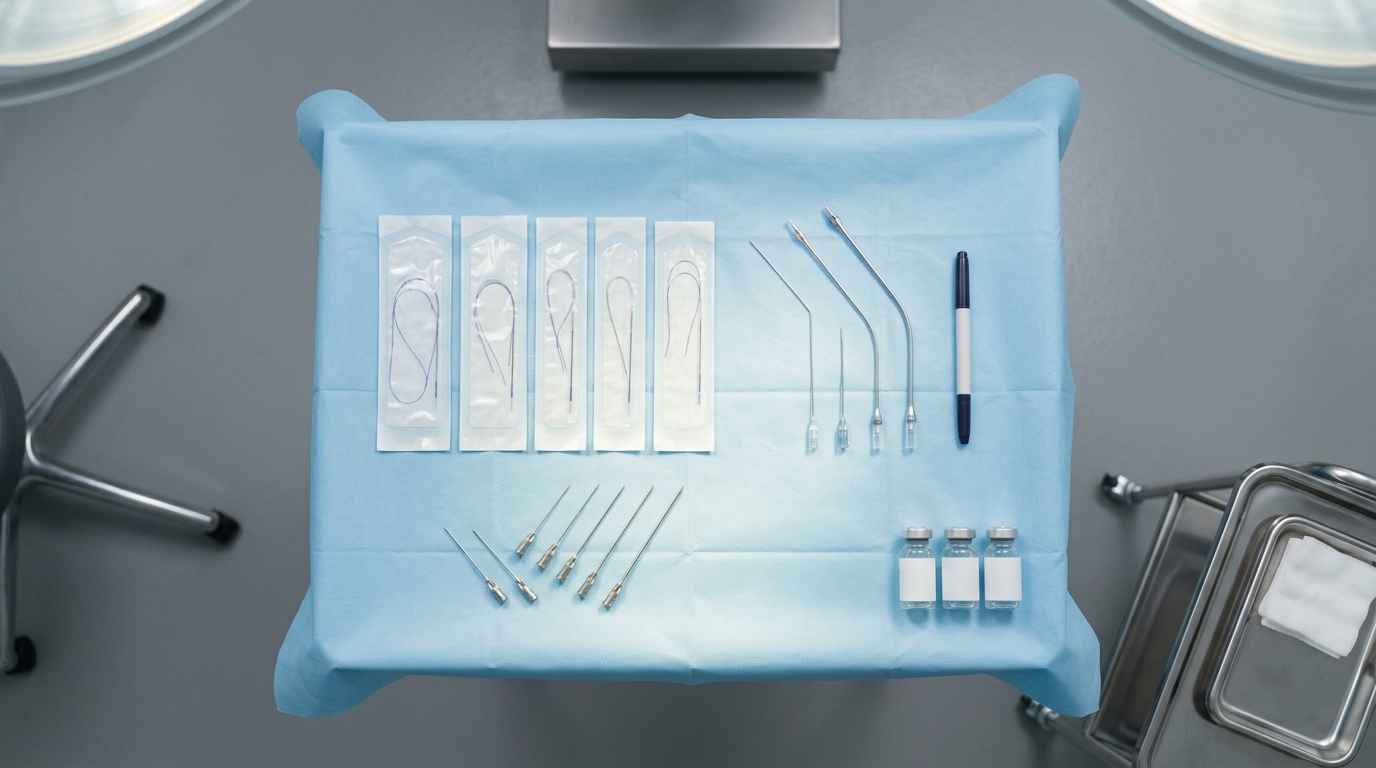
Understanding thread lift safety research empowers patients to approach this procedure with confidence and realistic expectations. The evidence consistently shows that choosing an experienced, board-certified provider significantly reduces complication risks and improves satisfaction with results. For those in the Attleboro, Providence, and surrounding areas researching non-surgical facial rejuvenation options, this information provides a foundation for making informed decisions about thread lift treatment.
If you are considering a thread lift procedure and want personalized guidance based on your individual needs, schedule a consultation at Skinsational Cosmetic Surgery Clinic. Dr. Luciano Sztulman and the experienced team provide thorough consultations to help patients understand their options and develop customized treatment plans. Contact Skinsational Cosmetic Surgery Clinic to learn more about how thread lifts may address your facial rejuvenation goals safely and effectively.
Frequently Asked Questions
What is a thread lift and how does it address facial sagging?
A thread lift is a minimally invasive cosmetic procedure that uses absorbable surgical threads inserted beneath the skin to lift and reposition sagging facial tissue. These threads stimulate the body’s natural collagen production, providing gradual tissue tightening over several months. The treatment offers a targeted approach to facial aging without the extensive recovery associated with surgical alternatives.
How long do thread lift results typically last?
Thread lift results develop gradually as collagen builds around the threads, creating a natural-looking lift over time. The threads naturally dissolve over 6 to 12 months, though the collagen stimulation can extend the lifting effects beyond this timeframe. Results vary based on individual factors including skin quality, age, and lifestyle factors.
What areas of the face can a thread lift treat?
Thread lifts effectively address mild to moderate sagging in several facial zones. Common treatment areas include loose jowls along the jawline, marionette lines extending from the corners of the mouth, nasolabial folds running from the nose to mouth, and drooping cheeks. The procedure can also target neck sagging and mild brow drooping for a more refreshed appearance.
How does a thread lift differ from a surgical facelift?
Unlike a surgical facelift that requires anesthesia, significant tissue manipulation, and weeks of recovery, a thread lift involves minimal downtime and is performed in an office setting using local anesthesia. Patients return to normal activities within days rather than weeks. Results appear gradually as collagen builds around the threads, creating a natural-looking lift that develops over time.
What should I look for when choosing a thread lift provider?
Selecting a qualified thread lift provider is the most important decision when considering this procedure. Patients should prioritize providers with demonstrated expertise in facial anatomy, specific thread lift training, and a track record of successful procedures. Board certification indicates that a practitioner has completed specialized training and met rigorous standards in cosmetic procedures.
How does facial anatomy affect thread lift results?
Individual facial anatomy plays a crucial role in determining thread lift outcomes and safety. Factors including skin thickness, tissue laxity, bone structure, and underlying fat distribution must be assessed during consultation. Patients with thicker skin often achieve more pronounced lifting results because denser tissue provides better support for thread anchors, while thinner skin may require careful technique adjustment.
Related reading
- What Is a PDO Thread Lift? Modern Facial Sagging Option
- PDO thread lift procedures use specialized threads inserted into facial
- Dermal filler injections address signs of aging by restoring volume
This article is general information and is not medical advice. Talk to a licensed clinician about your own situation before making a treatment decision.