Last updated: October 5, 2026
At Skinsational Cosmetic Surgery Clinic, we estimate that O-Shot benefits, when they occur, last 12 to 18 months, although results and duration vary. Our PRP injections for women (O-Shot®) are an intimate treatment option, not a guarantee of improvement in sensation, comfort, or bladder symptoms.
How long does the O-Shot last?
Our 12-to-18-month estimate differs from the six-month-to-one-year estimate given by a physician in an American Society of Plastic Surgeons article. Neither interval is firmly established: some patients notice no meaningful change, and research has not established a reliable duration for improvements in sensation, comfort, or urinary symptoms.
A review of PRP use in gynecology found that the available articles were mainly case series, pilot studies, and case reports. The Cleveland Clinic describes the O-Shot as experimental and says there is not enough research to establish how well it treats vaginal conditions.
Do results last equally long for sensation, comfort, and bladder symptoms?
No established timeline shows that changes in sensation, dryness-related comfort, and urinary leakage last equally long. Tracking the symptom that prompted treatment can help you judge whether any benefit persists.
How long does it take for the O-Shot to kick in?
Changes, when they occur, may appear gradually rather than all at once.
When might you notice early changes versus fuller results?
At Skinsational, some patients report initial changes, such as a difference in sensation, within a few days to a week. Fuller changes may become noticeable over 3 to 8 weeks. These are possible onset windows, not a promise of benefit; judge later results against the symptom you wanted to address rather than assuming an early change will last. For a closer look at O-Shot before and after expectations, read about possible changes and when they may become noticeable.
What happens during PRP injections for women?
Our O-Shot involves a blood draw, PRP preparation, and targeted injections. Dr. Luciano Sztulman oversees the individualized treatment plan.
How is the PRP prepared and administered?
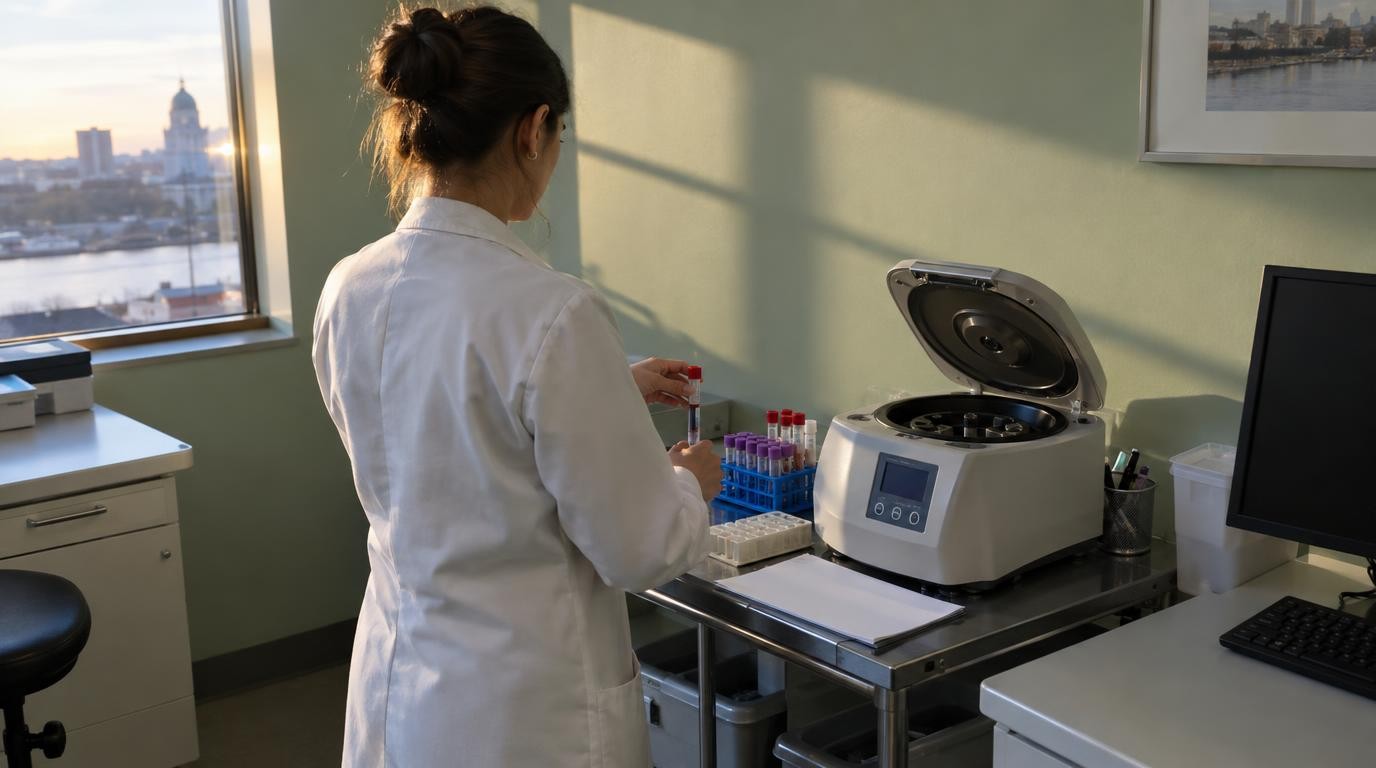
- Blood draw: We take a blood sample from your arm to obtain the material used for PRP.
- Preparation: A centrifuge separates and concentrates the platelet-rich plasma.
- Targeted injections: After topical numbing, we inject the prepared PRP into selected external genital tissues, including around the clitoris, and the anterior vaginal wall near the G-spot.
A review of PRP mechanisms and applications explains that preparation methods influence PRP’s composition. Its growth factors play roles in tissue repair, but that biological rationale does not establish a predictable O-Shot outcome.
How many sessions might your plan include?
At Skinsational, an individualized initial treatment plan typically involves 1 to 3 sessions. The number of sessions is separate from any later decision about maintenance.
What should you expect after an O-Shot appointment?
Our in-office O-Shot generally requires no physical downtime; ordinary activities can usually resume after treatment.
Is there downtime after the injections?
We recommend avoiding sexual intercourse for 24 hours after the injections, even if you feel ready to resume other activities.
Does the O-Shot make you tighter?
We describe collagen- and elastin-related thickening or tightening of intimate skin as a possible effect of PRP, but that does not mean the vaginal canal will narrow. A change in sensation or comfort does not prove a structural change or show that weak pelvic floor muscles have been treated.
The Cleveland Clinic’s guidance on vaginal rejuvenation explains that a feeling of looseness can relate to weak pelvic floor muscles rather than the vaginal wall itself.
What are the cons of the O-Shot?
Drawbacks include uncertain benefit, the possibility of repeat visits, and risks associated with a blood draw and genital injections. Using your own plasma does not eliminate discomfort, bruising, bleeding, or infection risk.
What side effects and risks should you discuss before treatment?
Temporary discomfort, bruising, or swelling may occur around injection sites. The American Academy of Dermatology’s guidance on PRP for skin treatment says these effects tend to resolve within a few days and emphasizes sterile blood handling because improper handling can lead to infection. For PRP injections more broadly, Cleveland Clinic says swelling and pain may last a day or two. These recovery time frames are not specific to intimate injections, and reliable O-Shot-specific side-effect rates are unavailable.
Seek prompt medical care for bleeding that does not stop, fever, or worsening pain, redness, or swelling after a procedure. Before treatment, discuss possible benefits, procedural risks, and any concerns about recovery with your own clinician.
Who may need to avoid or postpone intimate PRP injections?
For PRP skin rejuvenation, the American Academy of Dermatology advises against treatment for people with hepatitis C, HIV or AIDS, any blood cancer, cardiovascular disease requiring a blood thinner, or skin cancer in the treatment area. That is not an established O-Shot contraindication list. Dr. Luciano reviews your conditions, medications, and current symptoms to determine whether intimate injections are appropriate or should be deferred.
Who might be a good candidate for intimate PRP?
Women concerned about reduced sensation or arousal, dryness-related discomfort, or mild to moderate stress urinary incontinence may consider a consultation about intimate PRP. Candidacy depends on health history, goals, and realistic expectations. Treatment may not relieve a specific symptom, so identifying the cause of the concern matters before choosing an approach.
Can women with menopausal dryness or mild stress incontinence consider it?
Yes. Menopausal dryness and mild stress urinary incontinence are among the concerns we assess for PRP, but benefit for either symptom is uncertain. Dryness and leakage can have different underlying causes, so one treatment should not be assumed to address both. Our guide to O-Shot benefits, safety, and evidence provides more context.
How often should you get an O-Shot?
At Skinsational, most patients opt for a booster annually. That is our patients’ preference, not a proven schedule that everyone must follow to maintain a benefit.
When might you discuss a booster treatment?
If a benefit you could identify has faded, consider whether another treatment would address your original goal. If you noticed no meaningful change, a booster is not automatically warranted. Our discussion of PRP rejuvenation for women and treatment planning offers more context.
How does intimate PRP compare with other options?
We offer intimate PRP and may also discuss nonsurgical tightening procedures or hormone-related recommendations when appropriate. Depending on the cause of your symptoms, pelvic floor care or nonprocedural care for dryness may be a better option to discuss with an appropriate clinician: Our O-Shot vs G-Shot guide explains how these injections differ and which goals each may address.
| Approach | Why it might be considered | What to keep in mind |
|---|---|---|
| Intimate PRP | Concerns about sensation, dryness-related comfort, or stress urinary leakage | Benefits for these concerns are uncertain. |
| Nonsurgical tightening procedures | A concern about perceived vaginal laxity | Procedures aimed at the vaginal wall do not correct weak pelvic floor muscles. |
| Pelvic floor assessment and therapy | Perceived looseness linked to muscle weakness or leakage with coughing, laughing, or exercise | An assessment can help determine whether pelvic floor physical therapy is appropriate. |
| Evaluation and nonprocedural care for dryness | Dryness or discomfort during sex | Options may include vaginal moisturizers or lubricants, depending on the cause. |
| Hormone-related recommendations | Symptoms that may relate to hormonal changes, such as menopausal dryness | The cause of the symptom and health history matter when weighing options. |
When might a different approach better match your main concern?
If your main concern is a feeling of looseness or leakage with coughing, laughing, or exercise, ask a clinician about pelvic floor assessment and whether pelvic floor physical therapy fits your needs. If dryness is the concern, an evaluation can help identify its cause; a vaginal moisturizer for ongoing dryness or a lubricant during sex may be appropriate. Painful sex can have other causes and warrants evaluation rather than an assumption that PRP will help. Our overview of nonsurgical vaginal rejuvenation evidence and this educational discussion of intimate PRP candidacy offer further reading.
Frequently Asked Questions
Is the O-Shot the same as the G-Shot?
No. The O-Shot uses platelet-rich plasma from your own blood, while the G-Shot uses a dermal filler. Both involve injections in intimate tissue, but they contain different materials. The American Society of Plastic Surgeons distinguishes the two procedures; neither should be assumed to produce a particular result.
Can the O-Shot help if I have never had an orgasm?
It is unlikely to help someone who has never achieved an orgasm, according to the American Society of Plastic Surgeons. Evidence that the procedure improves orgasms in some women remains preliminary.
Will I feel the O-Shot injections even with numbing cream?
You may feel dull pressure, although the injection itself is usually not felt after we apply topical anesthetic. Tell us if you feel pain during the procedure.
Should I stop taking blood thinners before an O-Shot?
No. Do not stop a prescribed blood thinner for an O-Shot on your own. Tell our team which medicine you take so we can assess whether injections are appropriate; any medication change must be directed by the clinician who prescribes it.
Is the PRP used for O-Shots the same at every clinic?
No. Centrifugation methods can change the proportions of platelets, white blood cells, and other components in PRP. Whether any particular preparation produces longer-lasting O-Shot results has not been established.
How far apart should initial O-Shot sessions be scheduled?
No specific interval between initial O-Shot sessions has been established by the available gynecologic PRP research. We set the spacing for an individual treatment plan rather than following a proven universal interval.
What should I ask before choosing an O-Shot provider?
Ask about the provider’s familiarity with intimate anatomy, sterile blood handling, planned injection sites, and how results will be assessed. Also ask what the plan would be if you noticed no improvement.
Where can you discuss whether PRP is right for you?
At Skinsational Cosmetic Surgery Clinic in Providence, Rhode Island, we plan intimate PRP treatment around your goals and health history.

If you are considering treatment, contact us to arrange a confidential consultation with Dr. Luciano Sztulman and discuss whether PRP or another approach fits your needs.
This information is general and is not medical advice. Talk to a licensed clinician about your own situation before making a treatment decision.