
Last updated: October 21, 2026
Gynecomastia surgery leaves permanent incision lines, but discreet placement and healing can make them less noticeable. No surgeon can promise a scar-free chest. At Skinsational Cosmetic Surgery Clinic, we plan gynecomastia surgery around the tissue and skin that need treatment, as well as each patient’s concerns about visible scars.
Does gynecomastia surgery leave visible scars?
An incision near the areola may blend with its edge, while a longer chest incision may remain visible when you are shirtless. The American Society of Plastic Surgeons explains that some incision lines can be concealed within natural chest contours while others remain visible.
Where are the incisions for male breast reduction?
According to the American Board of Cosmetic Surgery, liposuction may use a small incision on each side of the chest, along the areola or in the armpit. Removing glandular tissue or loose skin may require incisions around the areola or within the chest’s natural creases. At Skinsational, we use discreet incisions to remove excess glandular tissue, fat and, when necessary, skin. An examination determines the likely scar pattern; there is no incision map that fits every chest.
How does removing glandular tissue, fat, or loose skin affect incision placement?
For some patients with elastic skin, glandular tissue can be removed through a U-shaped incision along the lower areolar border, roughly from 4 to 8 o’clock. Liposuction generally uses smaller openings to remove fat. Substantial loose skin, including after major weight loss, may require longer incisions so skin can be removed and the chest reshaped. An American Society of Plastic Surgeons article about gynecomastia after weight loss describes an anchor pattern around the areola, vertically down to the breast fold and along that fold. Another American Society of Plastic Surgeons discussion of gynecomastia surgery describes an incision across the chest along the lower edge of the pectoral muscle; that scar may be visible when shirtless. These are possible patterns, not incisions every patient should expect.
For a patient comparing options, the useful question is not simply which incision is shortest. It is whether the proposed incisions can address the gland, fat and skin contributing to the enlarged chest. Our guide to gynecomastia treatment choices provides more context on why those tissues may call for different approaches.
Can a skin-sparing approach reduce visible gynecomastia scars?
Avoiding skin removal may limit visible incisions for some patients, but it may not adequately correct loose skin. A 2024 comprehensive review by Frigerio and colleagues examined approaches intended to reduce skin-removal scars; it did not establish a scar-free option.
What did the 2024 review say about liposuction and transcutaneous netting?
The review’s authors recommend considering liposuction with transcutaneous netting through Simon’s Grade III, but found no research directly testing whether netting improves skin retraction in gynecomastia. Liposuction addresses fat; netting is proposed to support skin retraction and nipple-areola positioning. The review also examined laser-, ultrasound- and radiofrequency-assisted liposuction, microneedling and nipple-areolar complex plaster lifting. Controlled studies of the energy-assisted approaches are lacking, and substantial skin excess often still requires removal. These are techniques discussed in the review, not a list of procedures we provide at Skinsational.
The linked review reported the following findings:
| Source | Finding | How to interpret it |
|---|---|---|
| Frigerio and colleagues, 2024 | Seven studies detailed skin-retraction techniques. | The studies covered different methods; they did not establish one reliable scar-minimizing plan for every patient. |
| Frigerio and colleagues, 2024 | Reported complication rates ranged from 1.5% to 10%, and patient satisfaction ranged from 87.5% to 100%. | These ranges describe the reviewed studies, not the expected outcome of transcutaneous netting or surgery at Skinsational. |
Who may need more than a skin-sparing incision plan?
Patients with substantial loose chest skin may need a different incision plan if removing tissue without removing skin would not achieve the intended contour. Glandular tissue, fat and skin elasticity all matter, so a severity label alone cannot settle the decision. Dr. Luciano Sztulman evaluates the enlarged chest and its possible causes before recommending surgery.
At Skinsational, that evaluation includes discussing hormonal changes, medications and medical conditions that may contribute to persistent enlargement, particularly when diet or exercise has not helped. For related context, see our discussion of chest fat versus gynecomastia surgery.
Addressing a contributing medical condition or reviewing a medication with its prescriber may be appropriate before considering surgery; do not stop a prescribed medication on your own. Weight changes may reduce chest fat for some people, but diet and exercise may not resolve persistent glandular enlargement. Some patients with mild skin laxity consider nonsurgical skin-tightening devices and accept a more limited contour change than surgery can provide. Such devices do not remove glandular tissue or reliably correct substantial loose skin; they are not a gynecomastia treatment we describe offering at Skinsational.
What happens during surgery and the first weeks of healing?
At Skinsational, gynecomastia surgery is generally an outpatient procedure performed under local anesthesia or sedation. The surgical steps are:
- Dr. Luciano makes discreet incisions based on the tissue and skin that need treatment.
- He removes excess glandular tissue, fat and, when necessary, skin.
- He reshapes the chest, closes the incisions and applies a compression garment.
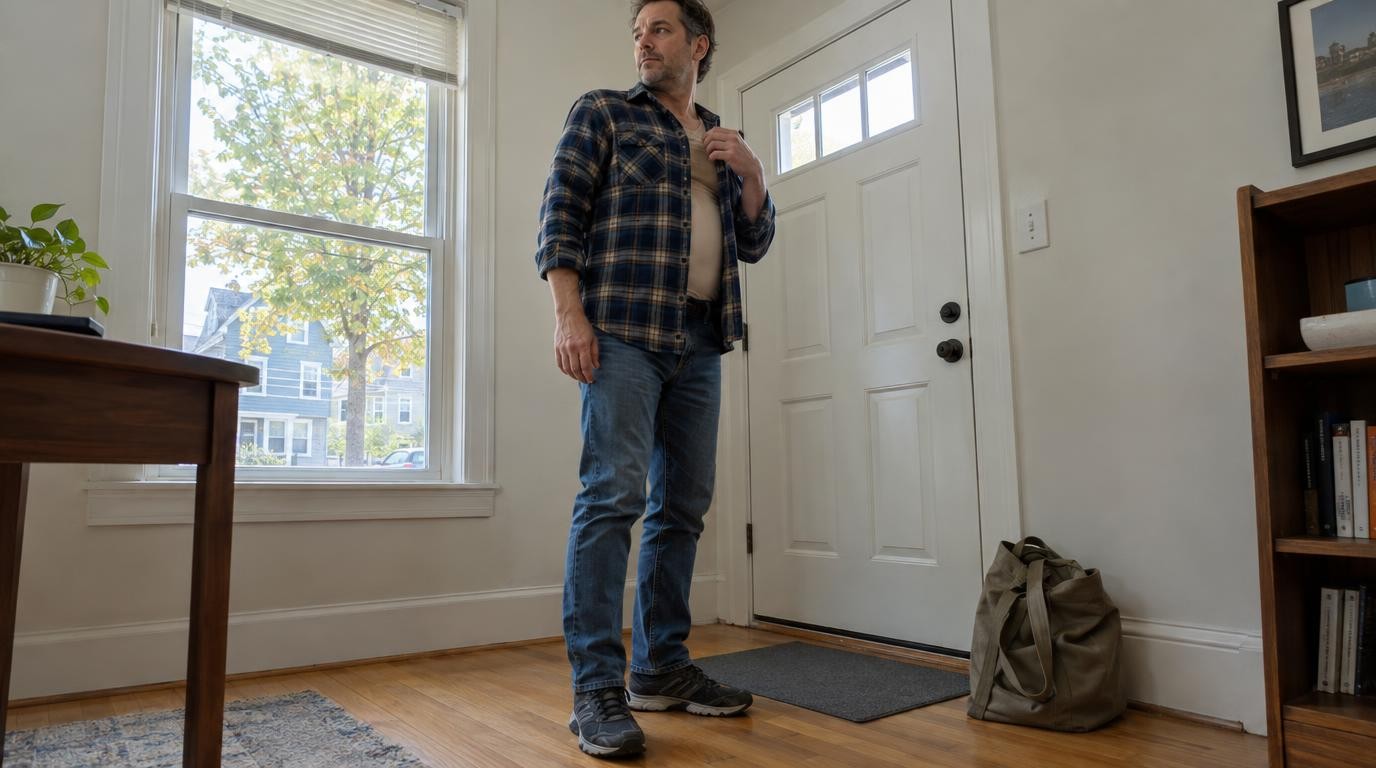
Our procedure generally takes 1–3 hours, and patients return home the same day with postoperative instructions.
For optional further reading, see Esthetica Orange County’s guide to gynecomastia surgery and male breast reduction.
How long does recovery take after gynecomastia surgery?
At Skinsational, patients often resume light activity within a few days and usual routines within several weeks, although timing varies with the extent of surgery and individual healing. Compression is typically worn for several weeks while swelling gradually subsides. Arrange for someone to drive you home after surgery; these general time frames are not clearance for strenuous activity. Our guide to cosmetic surgery recovery and scarring discusses broader healing considerations.
When can patients resume exercise and heavy lifting?
Avoid strenuous exercise and heavy lifting during early healing, and resume them only when Dr. Luciano clears you based on your recovery. Light activity is a separate milestone, not clearance to work out or lift heavily.
Do breast surgery scars ever go away?
At Skinsational, incision scars usually fade significantly over time but do not completely disappear. How visible they remain varies; some scars can still be seen when you are shirtless.
What happens as scars mature after male breast reduction?
Scars may look red or pink for the first few months and often improve over roughly the first year. They may continue fading afterward, but the incision lines remain permanent. The American Society of Plastic Surgeons gives a general 3–6-month window for the final chest contour after gynecomastia surgery; that is not a deadline for scar maturation. Incision placement, skin response and healing affect how visible a scar remains.
How is firm scar tissue different from a visible incision scar?
An incision scar is in the skin and may itself initially feel raised or firm before becoming flatter and softer, as Mayo Clinic’s guidance on breast-surgery incisions describes. Firmness beneath the incision may reflect swelling or internal healing tissue, but firmness can have other causes, including glandular tissue. Do not assume every firm area is scar tissue. Tell Dr. Luciano about new, persistent or concerning firmness and any visible changes so he can examine them.
How can patients care for gynecomastia incisions and scars?
Gynecomastia incision care begins with the postoperative instructions for keeping incisions clean and dry, wearing the prescribed compression garment and protecting healing tissue from strain.
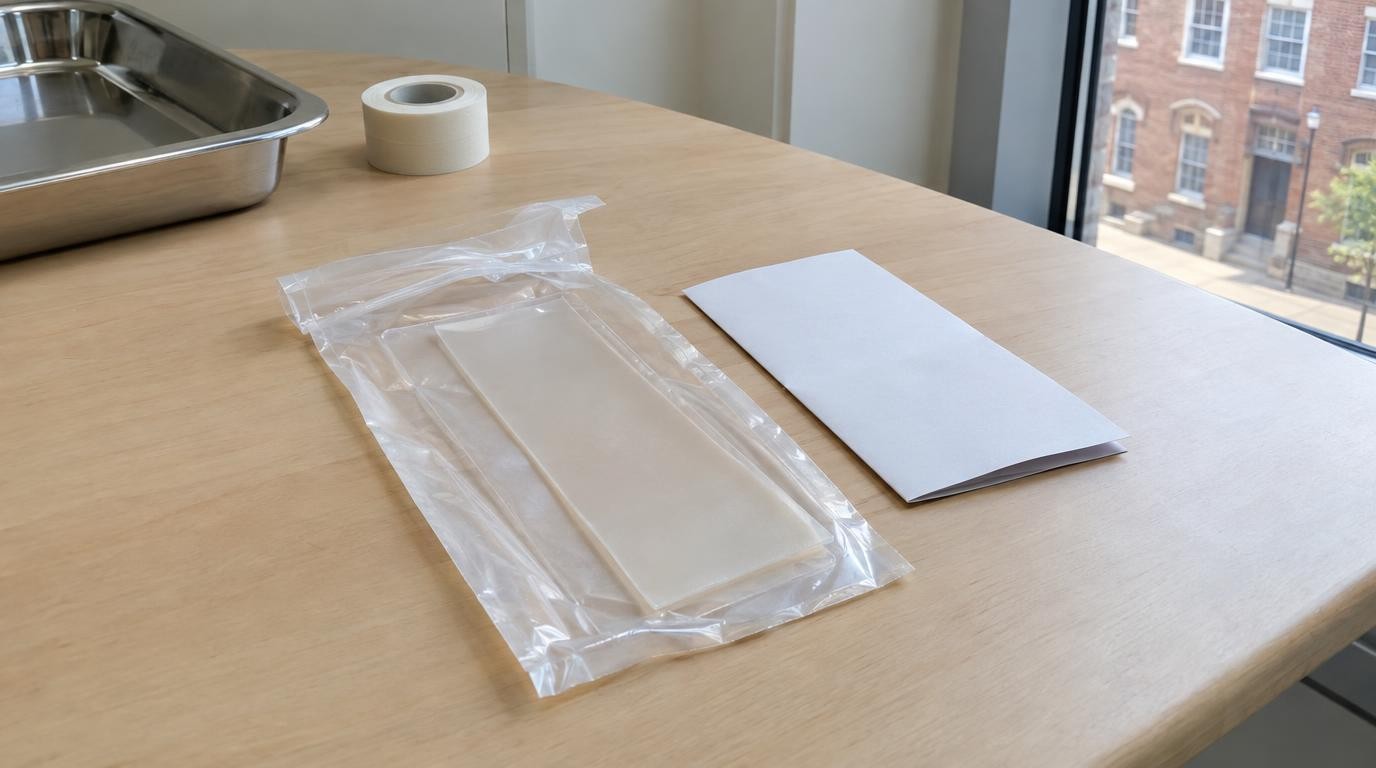
When should patients ask about silicone sheeting or sun protection?
Only use silicone sheeting once the incision has fully closed and your surgical team confirms it is ready. Keep healing incisions out of direct sun; once the skin has healed, protect exposed scars with clothing or sunscreen. Neither measure erases an incision scar.
Should patients massage a healing scar?
Do not massage a fresh or incompletely healed incision unless Dr. Luciano clears you to do so. Pressure on healing tissue may not suit every stage of recovery. If massage becomes part of your instructions, ask where to apply it and when to stop if the area becomes uncomfortable or changes.
What are the risks of gynecomastia surgery, and who should wait?
Gynecomastia surgery carries risks, including bruising, scarring, bleeding and blood clots, and scar appearance varies between patients. Cleveland Clinic also lists infection, changes in sensation, asymmetry and pain that does not go away. A patient with an unresolved possible hormonal, medication-related or medical cause needs an individualized assessment before deciding whether surgery is appropriate.
In an American Society of Plastic Surgeons report of a study of 145 patients aged 12–21, early complications occurred in about 10% of the 270 operated breasts, including hematomas in 7.8% and minor infections in 2.2%. Patients whose procedures included skin removal were 2.5 times more likely to have early complications. These study findings are not general complication rates for adults or predictions of risk at Skinsational.
Residual tissue or an uneven contour can also become apparent after surgery. A flatter chest is the goal, not a guaranteed result from one operation; further surgery may be needed for tightening, repositioning or treatment of a complication.
Discuss your health history, medications, changing chest symptoms and surgical risks with your own clinician. If you have severe pain, fever or sudden swelling before surgery, seek prompt medical evaluation rather than assuming those symptoms are routine enlargement ready for cosmetic treatment. Identifying and treating an underlying cause may affect the decision to operate or the likelihood that enlargement persists or returns.
Which symptoms after surgery call for medical evaluation?
Contact your surgical team promptly for fever or sudden swelling. Mayo Clinic’s incision-care advice for breast surgery also advises contacting your team if the skin around an incision changes color, becomes more swollen, drains fluid or feels increasingly painful. Seek urgent care for chest pain or difficulty breathing.
Frequently Asked Questions
What does a good mastectomy scar look like?
There is no single ideal scar shape. A mastectomy scar may initially be raised, firm or a different color from the surrounding skin, then generally become flatter, softer and less noticeable as it heals. Mastectomy removes breast tissue, usually to treat or prevent cancer, and its incision pattern may differ from male breast reduction. A well-healed gynecomastia scar can also flatten and fade, but it will not disappear; its location depends on the surgical plan.
What happens two years after breast reduction?
There is no standard change that everyone experiences at two years. After gynecomastia surgery, the chest contour generally settles well before then: the American Society of Plastic Surgeons estimates 3–6 months for final results. At two years, the incision scars remain permanent even if they have faded, and a persistent contour concern warrants assessment. For breast reduction in women, maintaining a stable weight helps preserve the reduction, while aging and pregnancy can change breast shape and size, according to the American Board of Cosmetic Surgery’s breast reduction guide. Pregnancy-related changes are not gynecomastia-specific outcomes.
What is the regret rate for breast reduction?
The evidence cited here does not establish a reliable regret rate for gynecomastia surgery or breast reduction more broadly. An American Society of Plastic Surgeons discussion of breast reduction satisfaction reports average satisfaction above 90% in breast-reduction studies; the gynecomastia review discussed earlier reports satisfaction in selected skin-retraction studies. Neither figure is a regret rate, and satisfaction cannot be subtracted from 100% to calculate one.
Can gynecomastia surgery leave raised or keloid scars?
Yes. Raised hypertrophic or keloid scars can develop, but they are uncommon. An article on the American Society of Plastic Surgeons’ website cites results of previous surgery, family history and skin color as possible risk factors; wound tension and infection may also play a role.
Can liposuction-only treatment avoid a visible scar?
Liposuction still requires small skin openings, which leave permanent scars even when no skin is removed. Those scars may become less noticeable than a longer skin-excision scar, but no one can guarantee they will be invisible.
Will moving my nipples during gynecomastia surgery leave more scars?
Repositioning the nipple and areola may require a larger incision along the chest and around the areola rather than only small liposuction openings, according to Cleveland Clinic. In severe cases, incisions may form an inverted T-shaped scar. Whether repositioning is needed depends on your skin and the chest contour being planned.
Can gynecomastia come back after surgery?
Gynecomastia can return, although recurrence is rare. At Skinsational Cosmetic Surgery Clinic, we evaluate possible hormonal, medication-related and medical causes before recommending surgery. The American Society of Plastic Surgeons notes that steroid use when glandular tissue remains, or massive weight gain in fatty cases, can contribute to renewed enlargement. New concerns deserve an examination.
Can treatment improve a gynecomastia scar I dislike?
Some treatments may reduce a gynecomastia scar’s visibility, but none can erase it. Johns Hopkins Medicine identifies laser treatments as an option to discuss with a surgeon; Cleveland Clinic notes that surgical scar-reduction procedures are not suitable for everyone.
What should Boston patients ask at a gynecomastia consultation?
Patients traveling from Boston, Massachusetts, should ask where their incisions are likely to go, which tissues need removal and whether a skin-sparing plan can achieve their intended contour. A consultation should also cover realistic scar fading, compression, activity restrictions and incision care. Those answers depend on an examination, not on a universal scar pattern or a published technique alone.
- Will glandular tissue, fat or loose skin need to be removed, and how does each affect the proposed incisions?
- Is a skin-sparing approach suitable for my chest, and what trade-offs would it involve?
- What scar visibility and healing changes should I realistically expect?
- What are my personalized instructions for compression, activity and scar care?
Skinsational Cosmetic Surgery Clinic is in Providence, Rhode Island, and serves patients from Boston. If you would like a private discussion of your chest contour and likely incision locations, contact Skinsational to arrange a consultation with Dr. Luciano Sztulman.
This information is general and is not medical advice. Talk to a licensed clinician about your own situation before making a treatment decision.