
Last updated: September 17, 2026
For residents across Providence, Rhode Island, and surrounding communities seeking advanced non-surgical cosmetic treatments, a landmark development has arrived. In 2026, an international panel of multidisciplinary experts published the first formally recognized consensus guidelines establishing evidence-based standards for mesotherapy practice worldwide. This statement addresses longstanding regulatory ambiguity surrounding the technique, giving patients in areas like Warwick, Cranston, and Smithfield new confidence that qualified providers now have a defensible clinical framework to deliver safe, standardized care.
What Is Mesotherapy and How Does It Work?
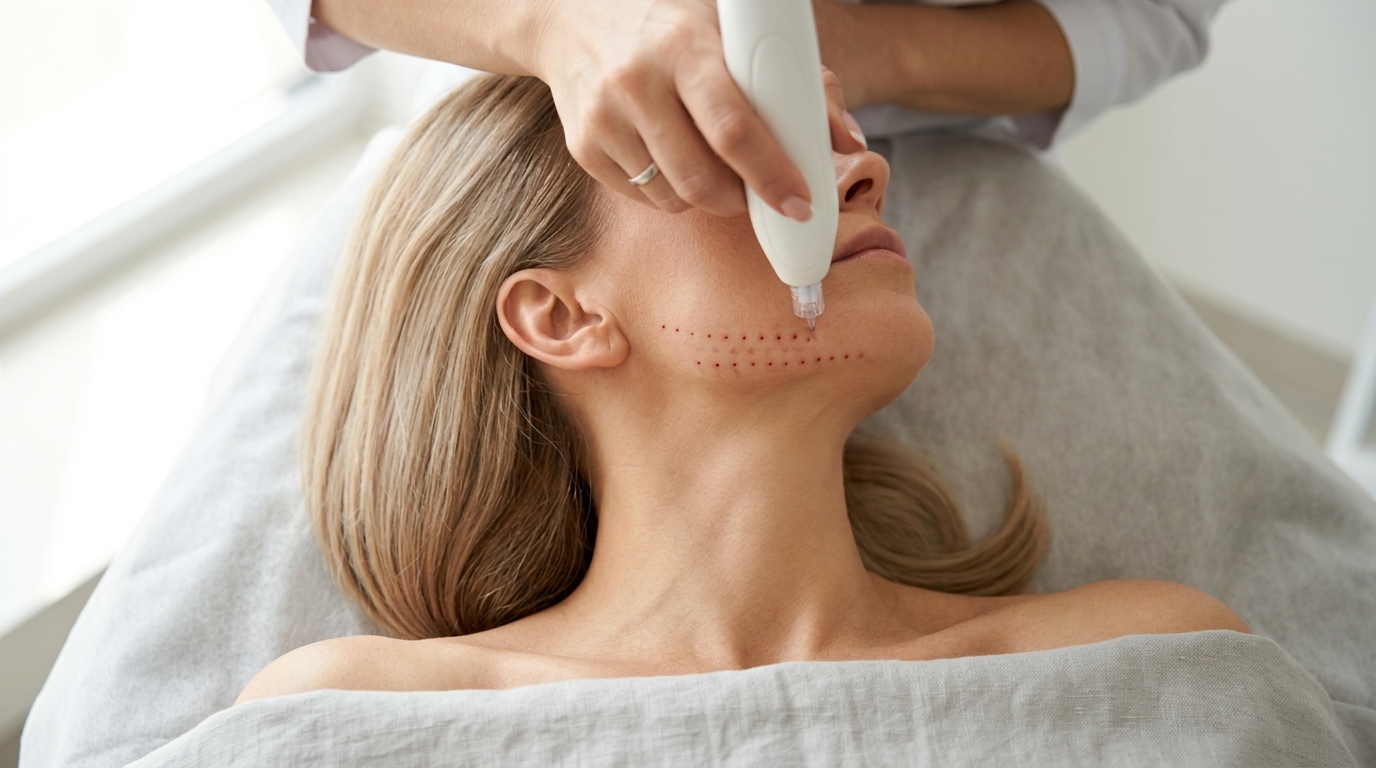
Mesotherapy is a minimally invasive technique that uses micro-injections to deliver active ingredients directly into targeted tissue layers beneath the skin. Rather than applying products topically or relying on systemic administration, this approach places therapeutic compounds precisely where they can be most effective. The injections typically contain vitamins, minerals, amino acids, and other bioactive substances customized to the patient’s specific concerns.
What Conditions Can Mesotherapy Address?
Mesotherapy applications span dermatological and aesthetic concerns including skin rejuvenation, localized fat reduction, hair restoration, and body contouring. The technique can target fine lines, dull skin, uneven tone, dark spots, and skin texture issues on the face. For body concerns, practitioners address areas such as love handles, arm fat, thigh fat, belly fat, double chin, and skin sagging. Scalp mesotherapy supports hair thinning and overall scalp health.
What Makes Modern Mesotherapy Different from Earlier Approaches?
Modern mesotherapy differs significantly from earlier informal practices due to the 2026 establishment of internationally recognized evidence-based protocols. The International Consensus Guidelines on the Safe and Evidence-Based Practice of Mesotherapy developed through a rigorous process involving comprehensive literature review spanning 1976 to 2023, input from patient associations, and structured Delphi voting among international experts representing numerous scientific societies. These standards replace anecdotal practice with documented clinical recommendations.
What Do the New International Guidelines Mean for Patients?
The International Consensus Guidelines establish standardized protocols that ensure both efficacy and patient safety across diverse clinical settings. These recommendations distinguish evidence-supported interventions from outdated or inappropriate procedures, promoting transparency, patient safety, and professional accountability in mesotherapy practice.
How Did the Consensus Statement Come About?
A multidisciplinary panel conducted a comprehensive review of existing evidence-based recommendations and scientific literature through a structured Delphi process. The panel formulated 49 evidence-based recommendations covering terminology, clinical use, and ethical aspects, achieving 92.6% agreement among participating experts. This process drew on clinical evidence across pain medicine, sports medicine, rehabilitation, vascular diseases, dermatology, and aesthetic medicine.
What Safety Standards Do the New Guidelines Establish?
The guidelines provide essential criteria for good clinical practice, clearly defining what should and should not be done in modern mesotherapy. They establish standardized procedural steps, recommended actions, and practical instructions for practitioners. For patients in Lincoln, Rhode Island, and beyond, these standards mean their provider follows documented safety protocols rather than individual judgment alone.
What Can Mesotherapy Treat on the Face?
Facial mesotherapy addresses multiple concerns through targeted micro-injections that deliver rejuvenating compounds directly to the skin. Treatments can improve overall skin quality, reduce signs of aging, and address specific complexion issues.
How Does Mesotherapy Address Fine Lines and Wrinkles?
Mesotherapy for fine lines and wrinkles delivers hydrating and collagen-stimulating compounds directly into the skin layers where aging becomes visible. The technique can complement other anti-aging approaches by improving skin elasticity and reducing the appearance of expression lines.
Can Mesotherapy Help with Dull Skin and Uneven Tone?
Mesotherapy effectively addresses dull skin by delivering brightening agents and antioxidants directly to the treatment area. For uneven tone and dark spots, the customized injectable compounds can target pigmentation irregularities, sun damage, and age spots to promote a more uniform complexion.
How Can Mesotherapy Support Scalp Health and Hair?
Scalp mesotherapy provides targeted support for hair restoration by delivering nutrients and growth-supporting compounds directly to hair follicles. This approach complements other hair restoration treatments and can be particularly beneficial for patients experiencing early-stage hair thinning.
What Approaches Help with Hair Thinning?
Hair thinning treatments through mesotherapy involve injecting specialized compounds that nourish follicles, improve blood circulation, and create optimal conditions for hair growth. The direct delivery approach ensures active ingredients reach the follicle where systemic treatments may be less effective.
What Results Can I Expect from Scalp Mesotherapy?
Results vary based on individual factors, but scalp mesotherapy aims to strengthen existing hair, reduce hair thinning, and support overall scalp health. Patients typically require a series of treatments to achieve optimal outcomes, with maintenance sessions recommended thereafter.
What Body Areas Can Mesotherapy Target?
Body mesotherapy offers targeted approaches for localized concerns that often resist diet and exercise alone. The technique delivers fat-reducing or skin-improving compounds directly to problem areas.
How Does Mesotherapy Approach Stubborn Fat Areas?
Mesotherapy for stubborn fat targets localized deposits in areas such as love handles, arm fat, thigh fat, belly fat, and double chin. The injections contain compounds that help break down fat cells in the treated area, supporting contouring goals for patients in communities like East Providence and Johnston who maintain healthy lifestyles but struggle with resistant pockets.
Can Mesotherapy Help with Cellulite and Skin Sagging?
Body mesotherapy addresses both texture concerns and skin quality. For cellulite treatment, the approach targets the connective tissue and fat beneath the skin to improve appearance. Skin sagging on areas like arms, abdomen, and thighs can be addressed through compounds that support skin elasticity and firmness.
Risks, Side Effects and Who Is Not a Candidate
Mesotherapy carries potential risks and side effects that patients should understand before treatment. Common side effects include temporary bruising, swelling, redness, and mild discomfort at injection sites. More serious risks, though uncommon, can include infection, allergic reactions, or skin irregularities. Patients should discuss their full medical history with their practitioner, as certain conditions may make mesotherapy unsuitable. Pregnant or nursing individuals, those with active skin infections in treatment areas, and patients with specific allergies or medical conditions may not be appropriate candidates. Your clinician will determine whether mesotherapy aligns with your health profile and aesthetic goals.
For residents throughout Providence, Rhode Island, and nearby communities, understanding these safety considerations ensures informed decision-making about non-surgical cosmetic treatments.
Is Mesotherapy Right for Your Aesthetic Goals?
The 2026 international consensus guidelines have transformed mesotherapy from an informally practiced technique into a scientifically grounded therapeutic option with documented safety and efficacy standards. Patients across Central Falls, Pawtucket, and Barrington can now approach mesotherapy with greater confidence, knowing their provider operates within evidence-based protocols established by leading international experts.

Dr. Luciano Sztulman and the team at Skinsational Cosmetic Surgery Clinic (Laser) offer comprehensive consultations for individuals exploring mesotherapy as part of their personalized treatment plan. Whether you are considering facial rejuvenation, hair restoration support, or body contouring, the clinic provides experienced guidance tailored to your specific needs. Learn more about mesotherapy options by contacting Skinsational Cosmetic Surgery Clinic to schedule your consultation and discover how evidence-based mesotherapy may help you achieve your aesthetic goals.
Frequently Asked Questions
What is mesotherapy and how does it work?
Mesotherapy is a minimally invasive technique that uses micro-injections to deliver active ingredients directly into targeted tissue layers beneath the skin. The injections typically contain vitamins, minerals, amino acids, and other bioactive substances customized to the patient’s specific concerns. Rather than topical application or systemic administration, this approach places therapeutic compounds precisely where they can be most effective.
What did the 2026 international guidelines establish for mesotherapy?
The International Consensus Guidelines established the first formally recognized evidence-based standards for mesotherapy practice worldwide. A multidisciplinary panel developed 49 evidence-based recommendations covering terminology, clinical use, and ethical aspects, achieving 92.6% agreement among participating international experts. These standards replace anecdotal practice with documented clinical recommendations and provide essential criteria for good clinical practice.
What body areas can mesotherapy treat?
Mesotherapy addresses concerns on the face, body, and scalp. Facial treatments target fine lines, dull skin, uneven tone, dark spots, and skin texture. Body applications focus on love handles, arm fat, thigh fat, belly fat, double chin, and skin sagging. Scalp mesotherapy supports hair thinning and overall scalp health by delivering nutrients directly to hair follicles.
How many mesotherapy treatments will I need?
Patients typically require a series of treatments to achieve optimal outcomes, with maintenance sessions recommended thereafter. The exact number of sessions varies based on individual factors and the specific concerns being addressed. Your clinician will determine an appropriate treatment plan based on your aesthetic goals and health profile during consultation.
Who should not receive mesotherapy?
Certain individuals may not be appropriate candidates for mesotherapy. Pregnant or nursing individuals, those with active skin infections in treatment areas, and patients with specific allergies or medical conditions should avoid this treatment. Your clinician will review your complete medical history to determine whether mesotherapy aligns with your health profile and aesthetic goals.
What results can facial mesotherapy provide?
Facial mesotherapy delivers hydrating and collagen-stimulating compounds directly into skin layers to improve elasticity and reduce the appearance of fine lines and wrinkles. The technique also addresses dull skin and uneven tone by delivering brightening agents and antioxidants directly to treatment areas, promoting a more uniform complexion.
What are the common side effects of mesotherapy?
Common side effects include temporary bruising, swelling, redness, and mild discomfort at injection sites. More serious risks, though uncommon, can include infection, allergic reactions, or skin irregularities. Patients should discuss their full medical history with their practitioner to ensure mesotherapy is appropriate for their individual circumstances.
Sources
- International Consensus Guidelines on the Safe and Evidence-Based Practice of Mesotherapy: A Multidisciplinary Statement
- Consensus statement on mesotherapy for clinical and … – PMC
- International Consensus Guidelines on the Safe and Evidence …
This article is general information and is not medical advice. Talk to a licensed clinician about your own situation before making a treatment decision.