Last updated: September 15, 2026
For women in Providence, Rhode Island, and surrounding communities considering breast enhancement surgery, access to fellowship-trained expertise is now closer than ever. Skinsational Cosmetic Surgery Clinic (Laser), led by Dr. Luciano Sztulman, offers comprehensive breast augmentation services utilizing the latest surgical techniques, including transaxillary (underarm) approaches that leave no visible scarring on the breast itself. Whether you are located in Cranston, Warwick, or across the region in North Attleborough, Massachusetts, Dr. Sztulman brings board-certified expertise and personalized care to every consultation. This guide answers the most common questions patients ask about breast augmentation, from implant selection to recovery expectations.
Why See a Fellowship-Trained Breast Specialist for Augmentation?
Breast augmentation ranks among the most frequently performed cosmetic procedures in the United States, making it essential to choose a surgeon with specialized training and extensive experience in aesthetic and reconstructive breast surgery.
What Credentials Should a Breast Augmentation Surgeon Have?
Additional fellowship training in breast surgery demonstrates focused expertise in both cosmetic augmentation and reconstructive techniques. Patients in Providence and throughout Rhode Island should seek surgeons who maintain hospital privileges at accredited medical centers, as this credentialing requires peer review of surgical outcomes. The combination of board certification, fellowship specialization, and hospital affiliations provides multiple layers of quality assurance for patients considering breast enhancement surgery.
How Does Fellowship Training Improve Breast Surgery Outcomes?
Fellowship-trained breast surgeons develop advanced skills through focused clinical experience in both cosmetic and reconstructive procedures. This comprehensive training enables surgeons to approach each patient with a full understanding of breast anatomy, tissue dynamics, and aesthetic principles. In clinical practice, fellowship training translates to more precise surgical planning, improved ability to address complex cases, and greater familiarity with the full range of implant options and techniques. Patients benefit from surgeons who can adapt their approach based on individual anatomy and goals rather than applying a one-size-fits-all methodology.
What Is Breast Augmentation and Who Is It For?
Breast augmentation is a surgical procedure designed to enhance breast size, shape, and symmetry using saline or silicone implants. The procedure can address a variety of aesthetic concerns while maintaining a natural appearance when performed by an experienced surgeon.
What Concerns Can Breast Augmentation Address?
Women seek breast augmentation for many reasons beyond simply wanting larger breasts. Common concerns include deflation or volume loss after pregnancy and breastfeeding, asymmetry between the two breasts, a naturally flat chest or lack of breast development, and sagging that cannot be corrected through exercise or skin care alone. Some patients desire improved cleavage or a more balanced proportion between their chest and hips. A consultation with Dr. Sztulman at Skinsational Cosmetic Surgery Clinic (Laser) helps patients identify their specific goals and determine whether breast augmentation alone or combined with a breast lift provides the best path to their desired outcome.
Is Breast Augmentation Only for Small Breasts?
Breast augmentation serves a diverse range of patients beyond those seeking significant enhancement. Women with moderate existing volume who want improved shape or projection benefit from augmentation as do those experiencing volume loss due to weight fluctuations or aging. Patients who have undergone mastectomy reconstruction represent another important group who may seek implant-based restoration. The procedure is highly customizable, allowing surgeons to address subtle asymmetries, restore lost fullness in the upper pole, or achieve a more youthful contour. Regardless of starting point, the goal remains creating results that look natural and proportional to the patient’s frame.
What Are the Different Types of Breast Implants?
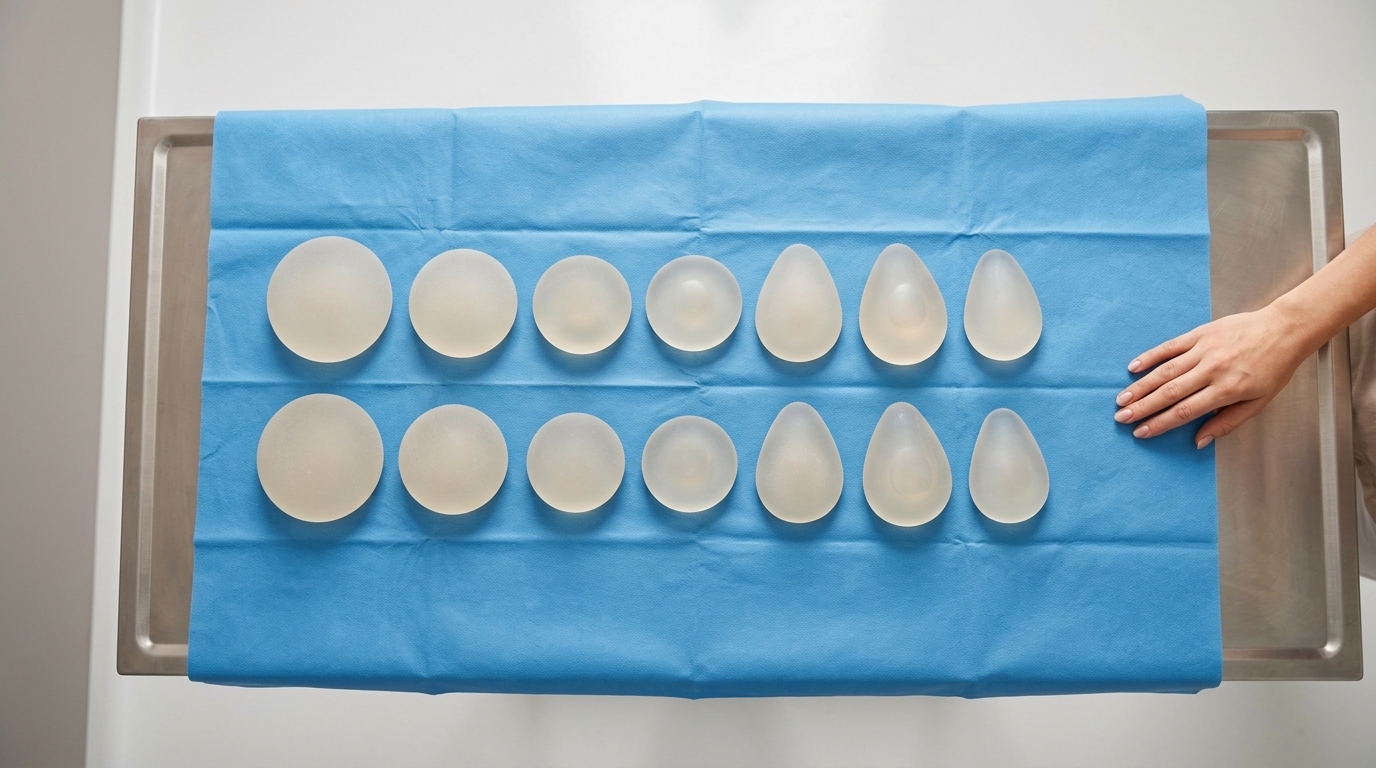
Modern breast implants fall into two primary categories, each offering distinct characteristics suited to different patient preferences and anatomical considerations.
What Is the Difference Between Silicone and Saline Implants?
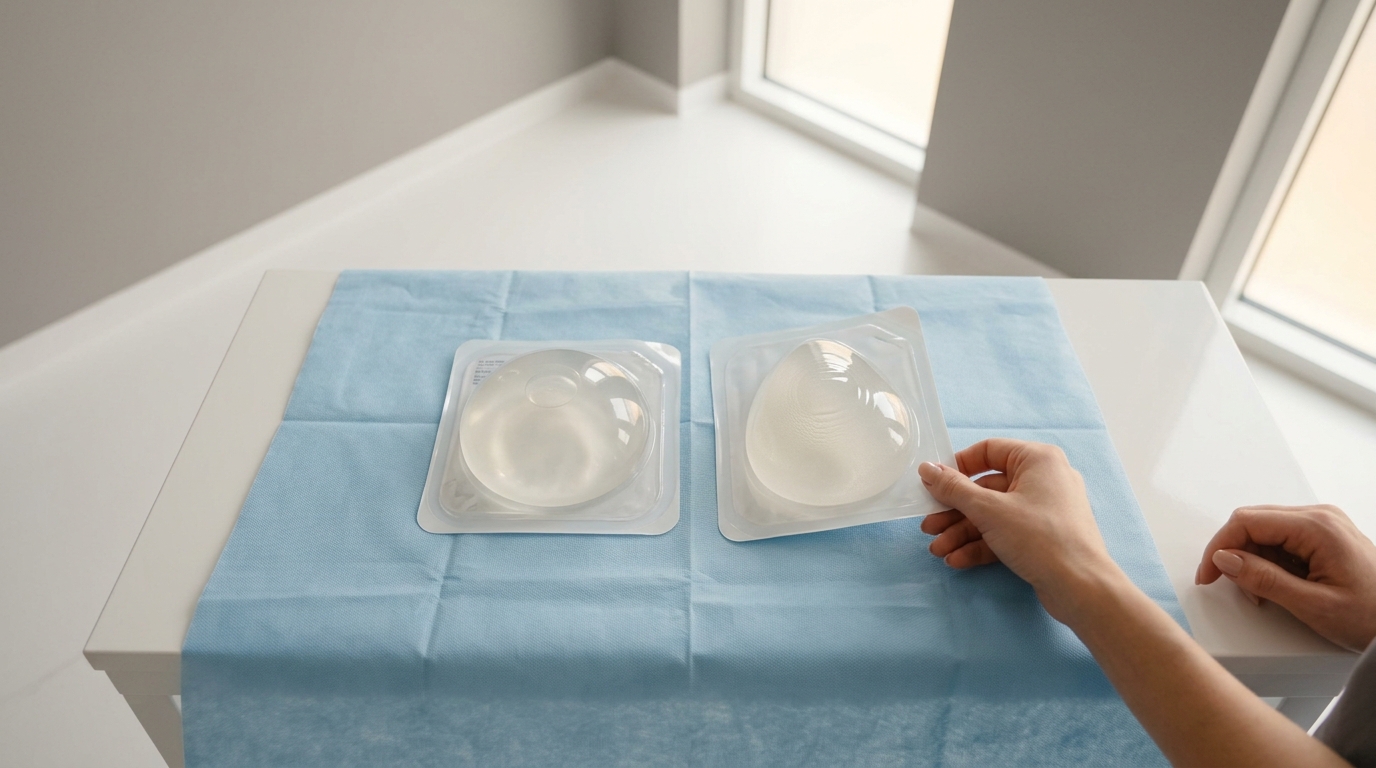
Silicone implants contain a cohesive gel that mimics the feel of natural breast tissue, while saline implants consist of a silicone shell filled with sterile salt water. Silicone implants are pre-filled to a specific volume, requiring a slightly larger incision for placement. Saline implants arrive empty and are filled during surgery, allowing for minor adjustments to volume. Both types are approved by the FDA for use in breast augmentation and have established safety profiles with long-term clinical data supporting their use. The choice between silicone and saline depends on factors including patient preference for feel, incision length, and whether the patient prefers the reassurance of knowing the implant contains only saline if a rupture occurs.
What Implant Profiles and Sizes Are Available?
Breast implants come in a wide range of sizes measured in cubic centimeters rather than traditional bra cup sizes, which vary by manufacturer. Profile refers to how far the implant projects from the chest wall relative to its width. Moderate profile implants provide a natural, wider contour, while high profile implants offer more projection for patients seeking a fuller appearance with a narrower base. During consultation, surgeons use sizing systems and implant measurements to help patients visualize potential outcomes. Dr. Sztulman discusses how these choices interact with the patient’s existing breast tissue, chest dimensions, and tissue elasticity to achieve harmonious results.
How Is Breast Augmentation Surgery Performed?
Breast augmentation surgery typically takes one to two hours and is performed under general anesthesia in an accredited surgical facility or hospital setting.
What Incision Options Exist for Breast Augmentation?
Three primary incision approaches exist for breast augmentation. The inframammary incision placed in the fold beneath the breast offers excellent access and concealable scarring. The periareolar incision follows the border of the areola, making it well-hidden in the color transition. The transaxillary incision, which Dr. Sztulman specializes in at Skinsational Cosmetic Surgery Clinic (Laser), is placed in the underarm area, leaving the breast itself completely untouched and scar-free. Each approach has advantages depending on patient anatomy, implant type, and personal preference. Patients interested in the transaxillary approach, which leaves no visible scar on the breast, can learn more during consultation.
Where Is Breast Augmentation Performed?
Breast augmentation at Skinsational Cosmetic Surgery Clinic (Laser) is performed in accredited surgical facilities that meet strict safety standards. Dr. Sztulman operates at facilities equipped with board-certified anesthesiologists and support staff experienced in cosmetic surgery. Patients from Providence, Lincoln, Smithfield, and surrounding Rhode Island communities appreciate the convenience of local surgical options without requiring travel to Boston or other major metropolitan areas. The accredited setting ensures access to emergency equipment and protocols should any unexpected situation arise, providing peace of mind throughout the surgical experience.
What Happens During Breast Augmentation Recovery?
Recovery from breast augmentation varies by individual and surgical approach, but most patients return to light activities within the first week and resume full exercise by six weeks.
How Long Is Breast Augmentation Recovery?
Initial recovery typically spans five to seven days, during which patients may experience soreness, swelling, and tightness in the chest area. Most women return to desk work or light daily activities within one week, while those with more physically demanding jobs may need two to three weeks. Full internal healing takes several months, with final results becoming apparent around the three to six month mark as swelling gradually resolves and tissues settle into their new contour. Patients from Central Falls, North Providence, and East Providence appreciate Dr. Sztulman’s detailed recovery instructions and accessible follow-up care throughout this period.
What Restrictions Apply After Breast Augmentation?
Post-operative restrictions focus on protecting surgical results during the critical healing phase. Patients should avoid lifting anything over ten pounds and raising arms above shoulder height for the first two weeks. Compression garments or surgical bras provide support and help minimize swelling. Exercise restrictions include avoiding chest-focused workouts, running, and any activity that engages the pectoral muscles for four to six weeks. Driving should be avoided while taking prescription pain medication. Patients receive personalized guidance based on their specific procedure and healing progress, with clear milestones for gradually resuming normal activities.
Risks, Side Effects and Who Is Not a Candidate
Like all surgical procedures, breast augmentation carries inherent risks that patients should understand thoroughly before proceeding.
Common side effects include temporary swelling, bruising, soreness, and changes in nipple sensation that typically resolve over weeks to months. More serious potential complications include infection, capsular contracture (tightening of scar tissue around the implant), implant rupture or deflation, changes in breast sensation, and the need for revision surgery. Patients with active infections, untreated medical conditions, or unrealistic expectations should not pursue surgery at this time. Pregnant or nursing women should wait until they have finished breastfeeding and their breast size has stabilized. Smokers face increased surgical risks and should disclose their tobacco use during consultation. Any woman considering breast augmentation should discuss her complete medical history with a board-certified surgeon and understand that ongoing monitoring and potential future procedures, including implant replacement, represent long-term considerations. Patients should review all implant safety information and discuss any concerns with their surgeon before making a decision.

Ready to Learn if Breast Augmentation Is Right for You?
Breast augmentation represents a personal decision that begins with accurate information and ends with a consultation tailored to your unique goals and anatomy. Dr. Luciano Sztulman and the team at Skinsational Cosmetic Surgery Clinic (Laser) invite women from Providence, Rhode Island, and surrounding communities including Johnston, Pawtucket, Barrington, Cumberland, Warwick, and Cranston, as well as patients from North Attleborough and Attleboro in Massachusetts, to schedule a consultation to discuss their breast enhancement options. During your visit, you will have the opportunity to explore implant types, learn about surgical approaches including the scar-free transaxillary technique, and develop a personalized treatment plan. Contact Skinsational Cosmetic Surgery Clinic (Laser) today to take the first step toward achieving your aesthetic goals.
Frequently Asked Questions
What credentials should I look for in a breast augmentation surgeon?
Seek surgeons with fellowship training in breast surgery and hospital privileges at accredited medical centers. This combination provides multiple layers of quality assurance through peer review of surgical outcomes and verified expertise in both cosmetic and reconstructive techniques.
What concerns can breast augmentation address?
Breast augmentation addresses multiple concerns beyond increasing size, including volume loss after pregnancy and breastfeeding, asymmetry between breasts, naturally flat chest or lack of development, and sagging that cannot be corrected through exercise. Some patients seek improved cleavage or better proportion between chest and hips. A consultation determines whether augmentation alone or combined with a breast lift provides optimal results.
What is the difference between silicone and saline breast implants?
Silicone implants contain a cohesive gel that mimics natural breast tissue feel, while saline implants consist of a silicone shell filled with sterile salt water. Silicone implants arrive pre-filled, requiring slightly larger incisions, whereas saline implants are filled during surgery allowing minor volume adjustments. Both implant types are FDA-approved with established safety profiles and long-term clinical data supporting their use.
What incision options exist for breast augmentation?
Three primary incision approaches exist: inframammary (in the fold beneath the breast), periareolar (following the border of the areola), and transaxillary (in the underarm area). The transaxillary approach leaves the breast completely untouched and scar-free. Each approach has advantages depending on patient anatomy, implant type, and personal preference, with the choice determined during consultation.
How long is recovery after breast augmentation?
Initial recovery spans 5-7 days with soreness, swelling, and chest tightness. Most patients return to desk work and light activities within one week, while physically demanding jobs may require 2-3 weeks. Full internal healing takes several months, with final results becoming apparent around 3-6 months as swelling resolves and tissues settle into their new contour.
What restrictions apply after breast augmentation surgery?
Patients should avoid lifting anything over 10 pounds and raising arms above shoulder height for the first two weeks. Compression garments or surgical bras provide support and minimize swelling. Exercise restrictions include avoiding chest workouts, running, and pectoral muscle engagement for 4-6 weeks. Driving should be avoided while taking prescription pain medication, with gradual resumption of activities based on healing progress.
Who is a good candidate for breast augmentation?
Ideal candidates include women experiencing volume loss after pregnancy, those with breast asymmetry, patients seeking improved proportion, and individuals with realistic expectations about outcomes. Patients should be in good health without active infections or untreated medical conditions. Pregnant or nursing women should wait until breastfeeding concludes and breast size stabilizes. A consultation with a board-certified surgeon helps determine candidacy.
Related reading
- Breast augmentation surgery using saline and silicone implants to enhance
- What Is a Breast Lift? Your Guide to Mastopexy
- Breast lift surgery addresses sagging breasts caused by aging
This article is general information and is not medical advice. Talk to a licensed clinician about your own situation before making a treatment decision.