
Last updated: September 21, 2026
As fall arrives in Providence, Rhode Island, many residents are considering liposuction procedures to achieve their ideal shape before the holiday season. While competitors like Sono Bello Providence have launched seasonal promotions offering limited-time discounts on body contouring, the decision to undergo liposuction involves far more than timing or pricing. Choosing the right surgeon and understanding what to expect from the procedure remain the most critical factors for achieving safe, lasting results. For patients in Smithfield, Cranston, Warwick, and surrounding Rhode Island communities, working with an experienced, board-certified provider can make all the difference in their transformation journey.
Why Fall Is the Ideal Season for Liposuction and Body Contouring?
Fall presents unique advantages for patients planning body contouring procedures. The moderate temperatures and shorter daylight hours create natural conditions that support a comfortable recovery period. Patients can wear compression garments more comfortably under loose fall clothing, and reduced sun exposure minimizes complications at incision sites. Additionally, procedures performed in fall typically show final results by late winter or early spring, allowing patients to feel confident in their new contours well before summer approaches. The fall and winter seasons traditionally see increased consultation requests for body procedures, making this an ideal time to explore options.
What Recovery Timeline Can I Expect After Liposuction?
Recovery varies based on the extent of treatment and individual healing responses. Most patients return to light activities within a few days, while more strenuous exercise may be gradually reintroduced over several weeks. Compression garments are typically worn for several weeks post-procedure to support healing and optimize contours. Initial swelling subsides significantly within the first month, although subtle residual swelling can persist for several months as the body completes its refinement process.
How Does Cooler Weather Support Post-Procedure Healing?
Cooler temperatures naturally reduce swelling and inflammation, which can make the recovery experience more comfortable. Patients are typically more willing to wear compression garments during fall months, as these garments feel less burdensome in moderate weather. Indoor activities during unpredictable autumn weather also keep patients resting comfortably at home during the critical early recovery period.
What Areas Can Liposuction Treat to Achieve My Body Goals?
Liposuction effectively targets stubborn fat deposits throughout the body that resist diet and exercise efforts. Common treatment areas include the abdomen, flanks (love handles), thighs, arms, back, chin, and neck. Advanced techniques like SmartLipo laser-assisted liposuction and VASER ultrasound-assisted liposuction allow surgeons to address multiple areas in a single procedure, creating comprehensive body contouring results. Whether targeting a single problem area or combining treatment zones, power-assisted liposuction provides customizable solutions for diverse body goals.

How Does Liposuction Address Stubborn Fat in Common Problem Areas?
Stubborn fat deposits in areas like the abdomen, thighs, and flanks often persist despite dedicated healthy lifestyles. Liposuction directly removes these resistant fat cells, permanently eliminating them from the treated area. Techniques like power-assisted liposuction excel at treating challenging regions like the inner thighs and belly button area, while laser-assisted methods can provide skin-tightening benefits in certain cases.
Can Liposuction Combine Multiple Treatment Zones in One Procedure?
Many patients opt to address multiple areas during a single session, allowing for comprehensive results and only one recovery period. Common combination treatments include abdominal sculpting with flank contouring, thigh reduction paired with knee and calf refinement, or full torso reshaping. Combining treatment zones requires careful planning and surgical expertise to ensure safe, harmonious outcomes across all areas.
What Questions Should I Ask During a Liposuction Consultation?
A thorough consultation establishes realistic expectations and builds trust between patient and surgeon. Patients should inquire about the surgeon’s experience with their specific concerns, view before-and-after galleries of similar cases, and discuss which techniques best suit their goals. Understanding the facility’s accreditation, emergency protocols, and post-operative care instructions ensures comprehensive preparation for the procedure.
How Do I Verify My Surgeon’s Credentials and Experience?
Board certification by the American Board of Plastic Surgery indicates rigorous training and examination in cosmetic and reconstructive procedures. Patients should confirm their surgeon has hospital privileges for body contouring procedures, which subject the surgeon to ongoing peer review. Inquiring about the surgeon’s specific experience with the technique being considered and requesting patient testimonials provides additional confidence in the provider’s capabilities. According to the American Society of Plastic Surgeons, board certification ensures surgeons meet established standards for training and patient safety.
What Liposuction Techniques Are Best for My Body Type?
Various liposuction technologies offer different benefits depending on patient needs. Tumescent liposuction involves injecting a solution to facilitate fat removal and reduce discomfort. VASER liposuction uses ultrasound energy to emulsify fat, making removal gentler and potentially preserving fat for transfer procedures. SmartLipo combines laser technology with traditional fat removal, offering potential skin-tightening effects. The optimal technique depends on treatment areas, desired outcomes, and individual patient factors. Patients exploring SmartLipo procedures should discuss which approach aligns best with their body contouring goals.
What Is the Recovery Process Like After Body Contouring Surgery?
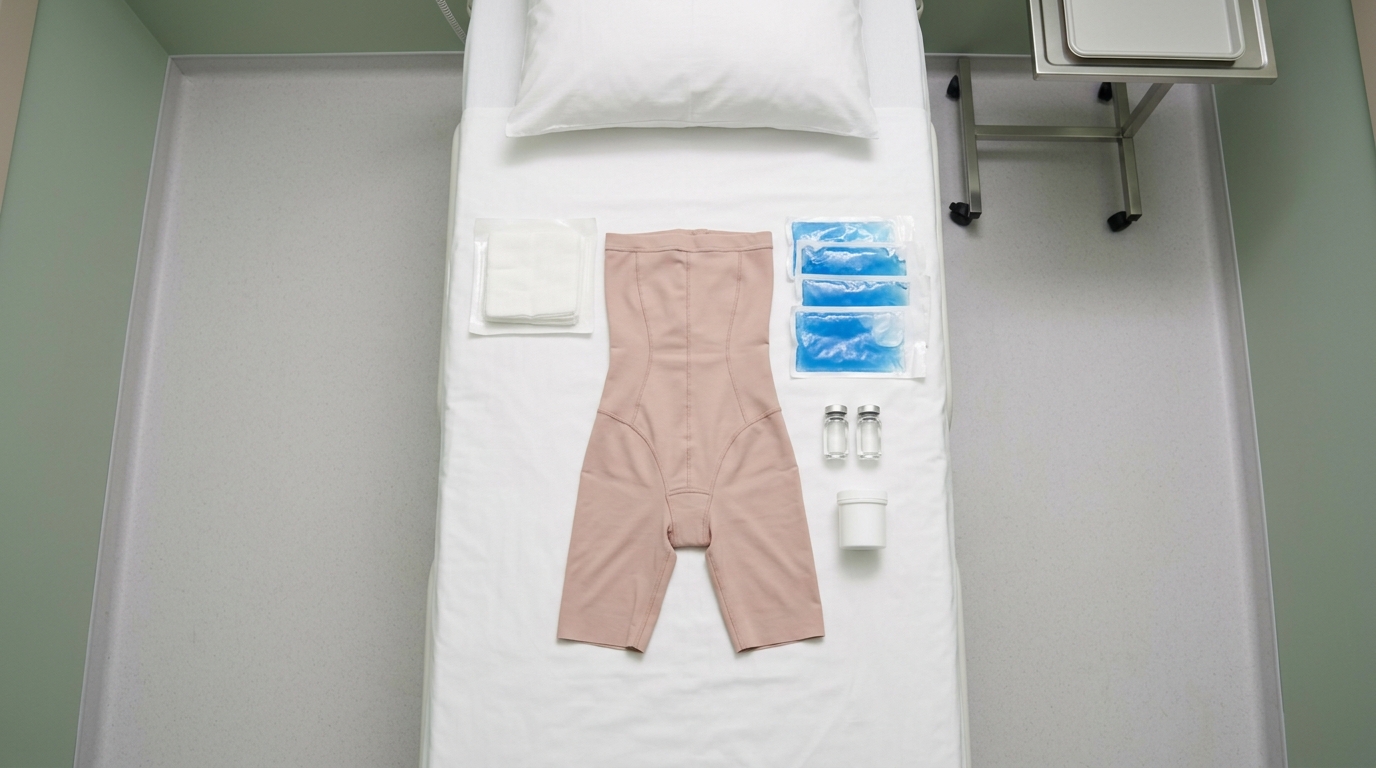
Recovery from body contouring surgery follows predictable stages that most patients navigate successfully. Initial rest and limited activity are essential during the first week, with gradual return to normal routines guided by the surgical team’s recommendations. Compression garments minimize swelling and support skin retraction throughout healing. Most patients report manageable discomfort that responds well to prescribed or over-the-counter pain management, and follow-up appointments allow the surgical team to monitor progress closely.
When Can I Resume Normal Activities and Exercise After Liposuction?
Light walking typically begins within days of the procedure to promote circulation. Desk work and normal daily activities usually resume within one to two weeks, depending on the extent of treatment. More vigorous exercise, including core work and lower body routines, is generally introduced gradually starting around four to six weeks post-procedure. Full return to all activities follows confirmation of complete healing during follow-up appointments.
How Long Until I See Final Liposuction Results?
Initial improvements become visible once major swelling subsides, typically within four to six weeks. The body continues to refine its contours over the following months as residual swelling resolves and skin contracts. Most patients appreciate their final results between three and six months after the procedure, although subtle refinements can continue for up to a year in some cases. Maintaining stable weight preserves results long-term, as remaining fat cells can still expand with significant weight gain.
What Sets Apart a Qualified Liposuction Surgeon Near Me?
Not all liposuction providers offer equivalent training, experience, or commitment to patient safety. Board-certified plastic surgeons undergo extensive residencies, rigorous examinations, and ongoing education specifically in body contouring procedures. Board certification means the surgeon has demonstrated competency in patient selection, surgical technique, complication management, and aesthetic judgment. For patients in Providence, Rhode Island, and surrounding communities, choosing a local surgeon with verifiable credentials provides accountability and accessibility that large national chains often cannot match.
Why Does Board Certification Matter for Liposuction?
Surgeons with this credential maintain hospital privileges, which require ongoing peer review and adherence to safety standards. Board-certified surgeons stay current with advancing techniques and technologies through continuing education, ensuring patients receive contemporary care based on latest developments.
How Does Surgical Experience Impact My Results?
Extensive experience performing liposuction procedures directly correlates with refined surgical technique and better patient outcomes. Experienced surgeons develop intuitive understanding of tissue dynamics, optimal cannulation approaches, and the artistic judgment required for natural-looking contours. Patients benefit from surgeons who have navigated diverse body types, fat distributions, and skin conditions, applying that breadth of experience to each individual case.
Risks, Side Effects and Who Is Not a Candidate
Liposuction carries inherent risks that all patients should understand before proceeding. Common side effects include bruising, swelling, numbness, and temporary fluid accumulation at treatment sites. More serious complications, though uncommon, can include infection, blood clots, contour irregularities, skin necrosis, and adverse reactions to anesthesia. Patients with compromised healing ability, significant medical conditions, or unrealistic expectations may not be appropriate candidates. Smokers face elevated risks for complications and impaired healing. Discussing individual risk factors with a qualified surgeon helps determine whether body contouring is suitable, and patients should provide complete medical history and disclose all medications during consultation.
Those with certain cardiac conditions, bleeding disorders, or compromised immune systems may need clearance from their primary care physician before considering any surgical procedure. Patients who cannot commit to adequate recovery time or who expect perfection rather than improvement should carefully weigh whether the procedure aligns with their goals and expectations.
Frequently Asked Questions
Why is fall considered the ideal season for liposuction?
Fall offers moderate temperatures that reduce swelling and make wearing compression garments more comfortable. Reduced sun exposure minimizes complications at incision sites, and procedures performed in fall typically show final results by late winter or early spring – well before summer approaches.
What body areas can be treated with liposuction?
Liposuction effectively targets stubborn fat in the abdomen, flanks (love handles), thighs, arms, back, chin, and neck. Advanced techniques like SmartLipo laser-assisted and VASER ultrasound-assisted liposuction allow surgeons to address multiple areas in a single procedure for comprehensive body contouring.
How long does it take to recover from liposuction?
Most patients return to light activities within a few days and normal daily routines within one to two weeks. Compression garments are typically worn for several weeks to support healing. More strenuous exercise is gradually reintroduced starting around four to six weeks post-procedure.
When will I see final results after body contouring?
Initial improvements become visible once major swelling subsides, typically within four to six weeks. Most patients appreciate their final results between three and six months after the procedure, although subtle refinements can continue for up to a year. Maintaining stable weight preserves results long-term.
What different liposuction techniques are available?
Tumescent liposuction involves injecting a solution to facilitate fat removal and reduce discomfort. VASER liposuction uses ultrasound energy to emulsify fat, making removal gentler and potentially preserving fat for transfer. SmartLipo combines laser technology with traditional fat removal, offering potential skin-tightening effects.
How do I verify my surgeon’s qualifications for body contouring?
Board certification by the American Board of Plastic Surgery indicates rigorous training and examination in cosmetic and reconstructive procedures. Patients should confirm their surgeon has hospital privileges for body contouring procedures, which subject the surgeon to ongoing peer review.
What questions should I ask during a liposuction consultation?
Ask about the surgeon’s experience with your specific concerns, request before-and-after galleries of similar cases, and discuss which techniques best suit your goals. Understand the facility’s accreditation, emergency protocols, and post-operative care instructions to ensure comprehensive preparation.
This article is general information and is not medical advice. Talk to a licensed clinician about your own situation before making a treatment decision.