
Last updated: October 31, 2026
The side effects of labiaplasty can include soreness, swelling, bruising, tenderness, and light bleeding during healing. Less common problems include infection, wound separation, a collection of blood called a hematoma, scarring, and changes in sensation. Changes that worsen rather than settle may need assessment by your surgical team.
What are the side effects of labiaplasty?
Mild itching can also occur during the first week, according to an article on the American Society of Plastic Surgeons website. These symptoms should generally improve rather than intensify as healing progresses. Infection, wound separation, a hematoma, or a persistent change in sensation is not simply part of routine healing and needs assessment by the surgical team.
Which symptoms are expected during early healing?
Swelling can make the labia look uneven or larger than expected, and tenderness can make sitting or urinating uncomfortable. The Cleveland Clinic’s labiaplasty recovery guidance explains that initial swelling, soreness, and discoloration decrease over the first couple of weeks, although swelling may take longer to resolve. According to Cleveland Clinic, minor bleeding may last up to a week and can be absorbed with a pad.
Which symptoms are not typical of routine healing?
Increasing bleeding, marked or rapidly increasing swelling, an incision that opens, or discolored discharge may signal a problem rather than ordinary recovery. A new or persistent loss of sensitivity also warrants discussion, even if the incision looks healed.
What complications can occur, and who should postpone labiaplasty?
Complications are infrequent, according to Cleveland Clinic, but can include wound separation, hematoma, infection, scarring, ongoing pain, or reduced sensitivity. Removing too much or too little tissue can also affect the result. Elective cosmetic labiaplasty should be deferred during pregnancy. If you are planning pregnancy soon, you may choose to wait until after childbirth. People who have not reached physical maturity or whose health makes elective surgery unsafe should also defer cosmetic surgery and discuss their concerns with a clinician.
What are the downsides of labiaplasty?
The American Society of Plastic Surgeons’ labiaplasty guidance identifies bleeding, hematoma, and infection as surgical risks and calls removal of too much tissue the most common complication. Excessive removal can lead to chronic dryness, scarring near the vaginal opening, and pain with intercourse. The guidance also notes that wound-healing problems are more likely with a wedge procedure, particularly with exposure to substances that narrow blood vessels. Neither a chosen technique nor careful incision placement guarantees preserved sensation, perfect symmetry, or invisible scars.
Local anesthesia with sedation and general anesthesia carry different risks depending on your health and the planned procedure. Before deciding, discuss your health history, pregnancy plans, medications, and individual surgical and anesthesia risks with your own clinician.
When should you contact your surgeon urgently?
Contact the surgical team promptly for worsening pain or excessive swelling, increasing bleeding or clots, discolored discharge, fever, an opening incision, or severe pain when urinating or having a bowel movement. Seek urgent medical evaluation if symptoms are severe or rapidly worsening.
What happens during labiaplasty at Skinsational?
At Skinsational Cosmetic Surgery Clinic in Providence, Rhode Island, Dr. Luciano Sztulman tailors labiaplasty to your anatomy and goals:
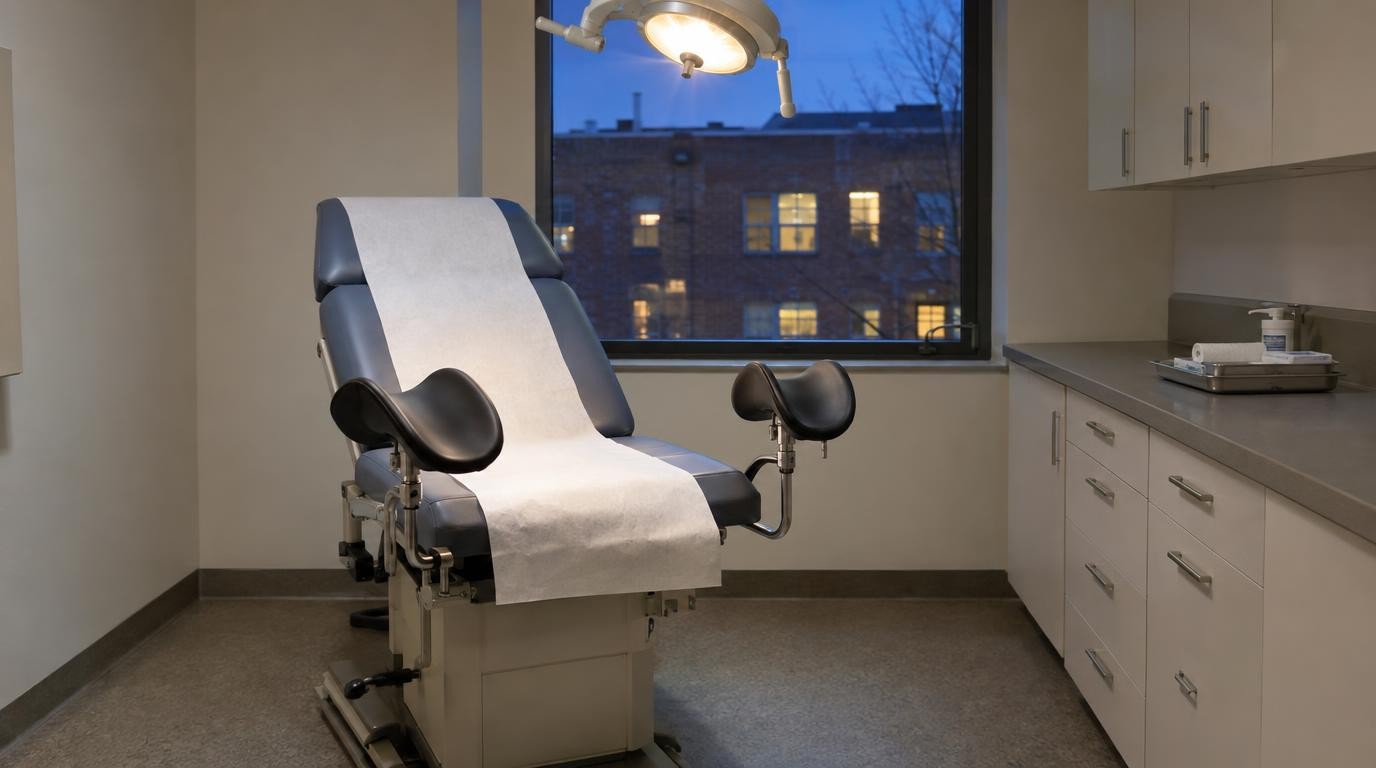
- During a private consultation, he discusses your symptoms and goals and examines the labial tissue.
- He plans the tissue to reshape and, for labia minora reduction, whether a trim or wedge approach is appropriate.
- We perform the procedure on an outpatient basis, with anesthesia chosen for your plan.
How are the anesthesia and surgical approach chosen?
We consider your labial anatomy, desired contour and border, and the differing healing risks when recommending a trim or wedge approach; your health, the procedure’s complexity, and your preferences also inform anesthesia planning. A trim removes tissue along the edge of the labia minora. A wedge removes a V-shaped section and joins the remaining edges, preserving more of the natural border. Wedge procedures have greater wound-healing concerns, so neither approach is risk-free.
At Skinsational, anesthesia options are local anesthesia with sedation or general anesthesia. Our outpatient labia reduction surgery is often completed in under two hours. Our Providence office serves patients traveling from Pawtucket, Rhode Island.
When can you return to work, exercise, and sex after labiaplasty?
At Skinsational, a return to light, non-strenuous work may be possible in 3 to 5 days, depending on discomfort and job demands. Avoid strenuous exercise, cycling, and sexual intercourse for 6 to 8 weeks, or until your surgeon clears those activities.

How can you manage discomfort during the first week?
Follow your prescribed pain-relief plan, use cold packs as directed, and care for the area gently according to your discharge instructions. Pressure from sitting and brief discomfort during urination can occur early in labiaplasty recovery. Take the opportunity to rest, and avoid friction or activity that puts strain on the incisions.
How long do swelling and bruising last?
Bruising generally eases over several weeks. Cleveland Clinic reports that most swelling is gone after six weeks, but complete resolution can take four to six months, so the early appearance is not the final contour. Returning to activity too soon can put pressure on the wound, tear stitches, and delay healing.
What do studies say about satisfaction and the chance of revision?
Published labiaplasty research finds generally high satisfaction, but satisfaction does not measure the complication or revision rate. A result pooled across different patients and techniques cannot predict an individual’s experience.
The 2024 systematic review and meta-analysis, “Comprehensive Assessment of Labiaplasty Techniques and Tools, Satisfaction Rates, and Risk Factors”, identified 86 eligible studies, of which 53 supplied quantitative data. Its pooled findings include:
| Outcome | Finding in the 2024 review | What the measure describes |
|---|---|---|
| Overall satisfaction | 94%, with a 93% to 95% confidence interval | A pooled satisfaction estimate across reported methods, not a promise to an individual patient |
| Wound separation after wedge resection | 8%, with a 5% to 13% confidence interval | A technique-specific pooled estimate, not the rate for every labiaplasty approach |
The 2024 systematic review and meta-analysis estimated swelling after composite reduction at 13%, with a wide 2% to 54% confidence interval; that estimate does not apply to every labiaplasty technique. The review also found significantly higher reported incidences of bleeding, swelling, and hematoma with scalpel than laser techniques. That comparison does not mean laser eliminates risk or that we offer laser labiaplasty. Differences among methods are one reason we plan surgery around your anatomy and goals.
How often do patients seek a minor refinement?
The pooled satisfaction figure is not a revision rate, so it cannot tell you how often patients need another procedure. After healing, a second procedure may be considered if a persistent contour concern, uncomfortable scar, or incomplete reduction affects the result.
How long until labiaplasty looks normal?
Labiaplasty can look noticeably swollen during early recovery. Because residual swelling may take four to six months to resolve, the initial appearance is not a reliable picture of the final contour. Healing varies from person to person.
Can you tell if someone has had labiaplasty?
Not necessarily. At Skinsational, incision planning aims to place scars within natural labial folds, which can make them less conspicuous after healing. Scar visibility and symmetry still vary, and no surgeon can guarantee an undetectable result. The American Society of Plastic Surgeons notes that scars can feel firm after stitches dissolve and soften over several months, so an early incision may look different from a mature scar.
What is the best age for labiaplasty?
There is no single best adult age for labiaplasty. Physical maturity, overall health, realistic expectations, persistent concerns such as chafing, and plans for pregnancy matter more than a birthday. The American Board of Cosmetic Surgery’s guidance for teenagers advises generally postponing cosmetic labiaplasty until adulthood because labial tissue may still be developing. Surgery for a minor is considered only in rare cases to address problems affecting daily function or activity, not purely cosmetic concerns. Pregnancy and childbirth may change labial tissue after surgery, so discuss timing if you plan to have children.
What matters more than a specific age when deciding?
Consider whether labial tissue causes recurring irritation during clothing, exercise, or intimacy, and whether surgery is likely to address that specific concern. Labia naturally vary in size, color, and symmetry; appearance alone does not establish a medical need. A specific, persistent concern and a realistic goal matter more than whether the labia match a particular appearance.
Do labia reduction and labia enhancement have the same risks?
No. Labia minora reduction creates incisions, so wound separation, scarring, and removing too much or too little tissue are relevant risks. Fat or filler injections for labia majora enhancement can cause bruising, swelling, infection, or unevenness where material is injected; collecting fat for grafting also adds a donor site that may be sore or bruised. The treated tissue, anesthesia, and aftercare vary by approach. The comparison below distinguishes their goals, methods, and how results may last:
| Consideration | Labia minora reduction | Labia majora enhancement |
|---|---|---|
| Goal | Shorten protruding inner labial tissue; this may relieve tugging or chafing. | Add volume to the outer labia. |
| Approach | Remove and suture tissue using an approach such as trim or wedge. | Use fat grafting or off-label dermal filler injections. |
| Results over time | Intended as a one-time, long-lasting reduction. | Fat or filler injections may need touch-ups over time. |
Findings from studies of surgical reduction should not be used as complication or revision estimates for fat grafting or fillers.
How do labia minora reduction and labia majora enhancement differ?
Labia minora reduction is the most common approach at Skinsational and may be considered when protruding tissue contributes to chafing or discomfort. For enhancement of the outer labia, fat grafting transfers fat from another area of the body; injecting dermal fillers into the labia is an off-label use.
What should you ask at a private labiaplasty consultation?
A useful labiaplasty consultation should clarify whether surgery matches your symptoms, what change is realistic, and how the proposed approach affects healing. Ask about technique, anesthesia, work and activity limits, warning signs, follow-up, and how an unsatisfactory result or possible revision would be assessed. Clear answers help you weigh potential benefits against surgical risks.
How will your surgeon plan for healing and possible complications?
Using the findings from your examination, we explain why a proposed technique fits your anatomy, where incisions would sit, and what your personalized recovery plan involves. We discuss home care and symptoms that require a call, then assess healing at postoperative visits. Ask what improvement is realistic for your symptoms and how we would evaluate a concern after swelling settles. For further reading, see the wedge-versus-trim labiaplasty guide.
Frequently Asked Questions
When does swelling peak after labiaplasty?
Swelling usually peaks two to three days after labiaplasty, then gradually decreases over the following weeks, according to the article on the American Society of Plastic Surgeons website. Contact your surgeon if swelling becomes excessive or pain worsens instead of settling.
Is itching normal after labiaplasty?
Itching is common during the first week as labiaplasty incisions heal, according to the article on the American Society of Plastic Surgeons website. If it persists, contact your surgeon: ongoing itching could signal a yeast or bacterial infection or a reaction to medication.
When can I swim after labiaplasty?
Cleveland Clinic advises avoiding swimming for four to six weeks after labiaplasty, or until your surgeon clears you. Ask our team when your incisions have healed enough for you to return to the pool; feeling less sore does not, by itself, mean they are ready.
When do labiaplasty stitches dissolve?
Dissolvable labiaplasty stitches are typically gone by three to four weeks, according to the article on the American Society of Plastic Surgeons website. Do not pull at stitches; contact your surgical team if the incision opens.
Can I wear tight leggings after labiaplasty?
Loose-fitting pants and underwear are a better choice while labiaplasty incisions heal. Cleveland Clinic advises avoiding tight clothing because friction against the wound can delay healing. Wait until the incision has healed and snug clothing no longer rubs it before wearing tight leggings.
Does smoking affect healing after wedge labiaplasty?
Yes. Nicotine constricts blood vessels, and the American Society of Plastic Surgeons warns that substances that narrow blood vessels make healing problems more likely after wedge labiaplasty. Disclose smoking, vaping, nicotine products, and other substances before surgery so they can be considered in your surgical plan.
Does labiaplasty tighten the vagina?
No. Labia minora reduction reshapes external folds of tissue; it does not tighten the vaginal canal. If vaginal tightness is a concern, discuss it separately with a qualified clinician rather than assuming labiaplasty will address it.
What is the next step if you are considering labiaplasty?
The next step is to compare your own concerns with the likely benefits, recovery demands, and possible side effects of labiaplasty. Published satisfaction findings offer context, but a private examination is needed to plan a procedure around your anatomy and goals. If your concern is appearance alone, observing your natural anatomy without surgery is a valid choice. For chafing, looser pants and underwear that do not rub the area may reduce friction; ask a clinician to evaluate irritation or pain that persists before deciding whether surgery is appropriate.
If you are considering labiaplasty in the Pawtucket area, contact Skinsational Cosmetic Surgery Clinic in Providence, Rhode Island, to arrange a confidential consultation with Dr. Luciano Sztulman. You can discuss your symptoms, the proposed approach, and a recovery plan suited to your circumstances by calling (401) 386-7252.
This information is general and is not medical advice. Talk to a licensed clinician about your own situation before making a treatment decision.