
Last updated: October 1, 2026
How do you get rid of gynecomastia? The right approach depends on whether chest fullness comes from gland tissue, fat, or both: a contributing cause may resolve, while persistent gland tissue usually needs surgical removal for a flatter contour. A medical evaluation is the best starting point before deciding on treatment.
How Do You Get Rid of Gynecomastia?
Getting rid of gynecomastia starts with identifying the tissue causing chest fullness. Fat-dominant fullness may respond to weight management or, when appropriate, a procedure that removes fat. Learn when CoolSculpting for gynecomastia may reduce chest fat and why it cannot remove gland tissue.
For adults considering gynecomastia treatment in Providence, Rhode Island, an individualized consultation can clarify which goal is realistic. The aim is to choose a plan based on your anatomy and health, not on how the chest looks in a photograph.
Can gynecomastia go away without surgery?
Sometimes. Chest enlargement linked to a temporary change or an addressable cause may improve after that factor is evaluated and managed. Weight loss can reduce chest fat, but it does not remove established gland tissue. If fullness persists, a clinician can help determine whether observation still makes sense or whether male breast reduction is more likely to achieve the contour you want.
How Can You Tell Gynecomastia From Chest Fat?
True gynecomastia involves enlarged gland tissue, while fat-dominant chest fullness mainly involves fatty tissue. Both can be present at the same time. A clinician distinguishes these possibilities through a medical history and physical examination, then decides whether symptoms or findings call for additional evaluation before any cosmetic treatment is considered.
Gland tissue may feel firmer around the nipple than the surrounding chest fat, but touch alone is not a reliable self-diagnosis. Changes in weight, medicines, health conditions, and the timing of chest enlargement all provide useful context. Tell the clinician about tenderness, a noticeable lump, or nipple discharge rather than assuming every chest change is cosmetic.
What can a medical evaluation reveal about chest fullness?
An evaluation can identify whether the fullness is mostly gland, fat, loose skin, or a combination. It also gives the clinician a chance to review medications and possible contributing conditions without asking you to stop a prescribed medicine on your own. At Skinsational Cosmetic Surgery Clinic, we can discuss how that distinction affects treatment planning: removing fat and removing gland tissue are different tasks, even when both contribute to the same concern.
Which Treatments Help With Different Types of Chest Fullness?
Liposuction addresses fat, whereas surgical excision removes persistent gland tissue; some patients need both approaches for an even chest contour.
If a medicine or health condition might play a role, the appropriate next step is a medical review, not a self-directed change in treatment. Exercise can support overall fitness and body composition, but it cannot selectively remove gland beneath the nipple.
When might observation or addressing an underlying cause help?
Observation may help when examination and history support a temporary cause and no concerning finding needs further attention. For fat-dominant fullness, changes in body weight may noticeably change the chest. If the contour remains bothersome after those steps, gynecomastia surgery for an enlarged male chest offers additional context for discussing a procedural option. The best next step depends on what is actually present, not on whether fullness is casually called “chest fat” or “gyno.”
What Happens During Gynecomastia Surgery?
Gynecomastia surgery reshapes the chest by removing the tissue responsible for persistent fullness. A surgeon may excise gland tissue, use liposuction for fat, or combine the methods. Some patients also need excess skin removed. The operative plan and anesthesia depend on anatomy, health, and the contour the patient hopes to achieve.
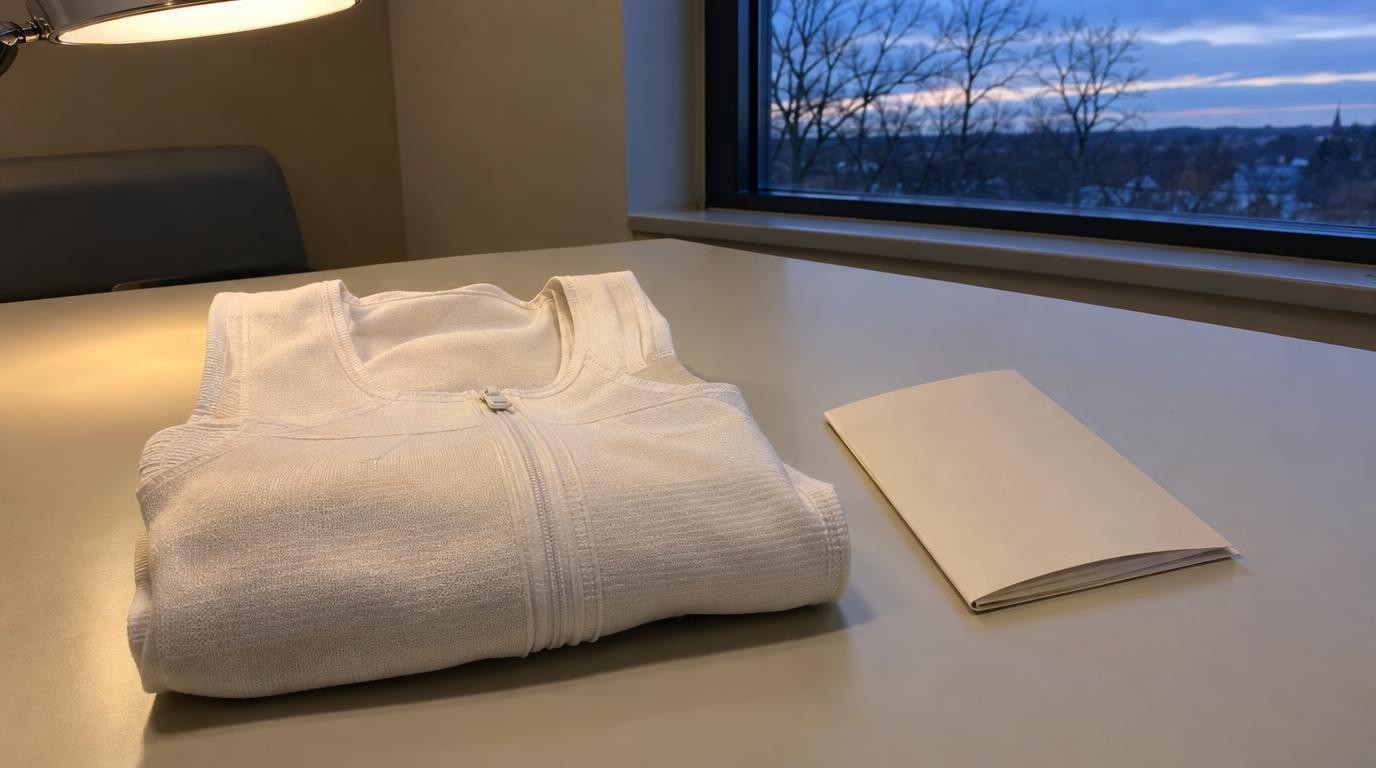
Excision allows a surgeon to remove firm gland tissue that liposuction alone may leave behind. Liposuction can reduce surrounding fat and help blend the treated area with the rest of the chest. If loose chest skin is significant, skin removal may be part of the discussion; it also changes the incision and scar considerations. For more on the distinction between methods, see male chest contouring options.
How are gland tissue and chest fat removed?
The surgeon selects an approach after assessing how much of each tissue type contributes to the shape. A single-surgeon study of 65 patients treated between 2015 and 2025 explored a modified gland-removal technique. That study describes a specific approach, not a technique suited to everyone. During gynecomastia recovery, patients should follow their own surgeon’s instructions about activity, wound care, and any recommended compression garment.
Risks, Side Effects and Who Is Not a Candidate
Gynecomastia surgery has risks and is not suitable for every adult with chest fullness. Bruising, swelling, soreness, and temporary changes in sensation can occur during recovery. Other risks include bleeding, infection, fluid buildup, visible scars, uneven contour, persistent or altered nipple sensation, and anesthesia-related problems. Discuss your individual risk profile with your own clinician.
A result may also fall short of the contour a patient expected, and chest fullness can return if an underlying cause remains active. Recovery instructions, including limits on physical activity, are intended to support healing but cannot guarantee a particular appearance.
Surgery should be deferred if a potentially significant chest finding or contributing medical condition has not been evaluated. Someone whose health makes anesthesia or healing unsuitable may not be a candidate unless those concerns can be addressed. A person expecting exercise-level recovery or a perfectly scar-free, symmetrical result should discuss those expectations before proceeding. In clinical practice, a careful consultation includes an honest discussion of likely benefits, limitations, and alternatives – including choosing not to have surgery.
How Can You Decide on the Right Next Step?
The right next step is an evaluation that identifies the cause of chest fullness before selecting a treatment. Ask what portion is gland, fat, or loose skin; whether a contributing factor needs attention; and what result each option can realistically provide. Those answers make the choice between observation and surgery more personal and practical.

If you are interested in a flatter chest, contact Skinsational Cosmetic Surgery Clinic in Providence, Rhode Island, to request a consultation with our team. Bring your questions about treatment choices, recovery, and risks so you can discuss a plan that fits your findings and goals.
How long should I wait to see if gynecomastia goes away on its own?
There is no single waiting period for gynecomastia to resolve. Recent enlargement may improve if a temporary or treatable contributing factor changes, but established gland tissue often remains. A clinician can review when the fullness began, examine the chest, and advise whether monitoring is reasonable or treatment should be considered.
Can chest exercises get rid of a firm area under the nipple?
No, chest exercises cannot remove established gland tissue under the nipple. Exercise may improve overall fitness and reduce body fat, which can change fat-dominant chest fullness. Because firmness alone cannot identify the tissue involved, have a clinician examine a noticeable lump rather than assuming it is gynecomastia.
Should I stop a medication if I think it is causing chest enlargement?
No, do not stop a prescribed medication on your own because of chest enlargement. Bring a list of your medicines and the timing of the change to a medical appointment. A clinician can assess whether a medication or another health factor may contribute and discuss appropriate next steps.
Is liposuction alone enough to flatten a chest with gynecomastia?
Liposuction alone may help when chest fullness is primarily fat, but it does not reliably remove firm gland tissue. If gland and fat both contribute, a surgeon may combine gland excision with liposuction. An examination also identifies loose skin, which can affect the procedure and the contour you can reasonably expect.
How long does recovery take after gynecomastia surgery?
There is no universal recovery timetable after gynecomastia surgery; healing depends on the procedure and the person. Swelling, bruising, and soreness can occur as the chest heals. Ask your surgeon when to resume specific activities and follow their instructions for wound care and any recommended compression garment.
Will my chest stay flat after gynecomastia surgery?
Surgery can create a flatter chest by removing the gland tissue, fat, or both that cause fullness, but a perfectly symmetrical result is not guaranteed. Fullness may return if an underlying contributing factor remains active. Discuss your anatomy, the proposed technique, and realistic contour goals with your surgeon before deciding.
Will I have visible scars after male breast reduction?
Scars are possible after male breast reduction, particularly when gland or excess skin must be surgically removed. The incision plan depends on the tissue being treated and the chest contour you want. Ask your surgeon where incisions would be placed and how skin removal could affect their visibility.
Sources
This article is general information and is not medical advice. Talk to a licensed clinician about your own situation before making a treatment decision.